Ever pulled a tomato from your backyard vine—only to taste that familiar, waxy bitterness, and whisper, “Wait… did I *really* grow this organically?” You’re not alone. Last spring, I proudly labeled my raised beds “100% organic”—until a soil test revealed trace glyphosate from wind-drifted herbicide off the neighboring lot. That humbling moment forced me to rebuild trust—not just with my garden, but with myself. This isn’t about perfection. It’s about organic tips home that work in real yards, on real budgets, with real time constraints. In this post, you’ll get seven field-tested strategies—from compost timing to pest decoys—that skip the dogma and deliver edible results. No PhD in soil microbiology required.
Table of Contents
- Why “Organic Tips Home” Isn’t Just Buzzword Gardening
- Your Step-by-Step Path to a Thriving Organic Veg Patch
- 5 Best Practices Backed by Real Gardeners (and One USDA Study)
- How the Miller Family Doubled Their Harvest—Using Only What They Already Had
- Frequently Asked Questions About Home-Scale Organic Vegetable Growing
Why “Organic Tips Home” Isn’t Just Buzzword Gardening
In home improvement—and especially in gardening—the word “organic” gets tossed around like compost tea at a potluck: enthusiastic, slightly messy, and often misunderstood. But here’s the hard truth: labeling your garden “organic” means absolutely nothing unless rooted in consistent, observable practices. According to the USDA National Organic Program, true organic production forbids synthetic fertilizers, sewage sludge, irradiation, and genetic engineering—and requires documented record-keeping of every input and action. Most backyard growers aren’t certified (nor need to be), but they do deserve reliable, actionable organic tips home that align with those principles—without the bureaucracy.
The stakes? Higher than aesthetics. Conventional vegetable gardening relies heavily on nitrogen-heavy synthetics, which deplete soil microbes over time and increase runoff pollution. A 2023 study published in Soil Science Society of America Journal found home gardens using continuous synthetic inputs showed 42% lower earthworm density after five years compared to plots managed with compost and cover crops. Earthworms aren’t charming extras—they’re soil engineers. Fewer worms mean poorer structure, reduced water retention, and weaker plant immunity. That’s why grounding your approach in proven, science-anchored organic tips home isn’t idealism—it’s long-term resilience.
Your Step-by-Step Path to a Thriving Organic Veg Patch
1. Test—Then Listen—Before You Amend
Don’t guess pH or nutrient gaps. Use a $15 home test kit (or mail a sample to your county extension office). Then observe: Is soil crumbly and dark, or pale and cloddy? Do earthworms surface when you dig? If your test says “low phosphorus” but your comfrey is thriving, hold off on rock phosphate—you may have slow-release reserves. Let the soil tell you what it needs.
2. Build Life, Not Just Nitrogen
Skip the “organic” fish emulsion sold in plastic jugs. Instead, grow dynamic accumulators like comfrey and yarrow—deep-rooted perennials that pull minerals up and release them when chopped and dropped. Their leaves become living mulch and slow-release fertilizer. Bonus: bees love them.
3. Rotate Crops Strategically—Not Just Alphabetically
Rotate by plant family, not crop name. Keep nightshades (tomatoes, peppers, eggplants) together, brassicas (kale, broccoli, cabbage) together, and alliums (onions, garlic) grouped—then shift these groups annually. This breaks pest and disease cycles far more effectively than moving “tomatoes → lettuce → carrots” without understanding shared vulnerabilities.
5 Best Practices Backed by Real Gardeners (and One USDA Study)
- Compost with intention: Aim for a 3:1 brown-to-green ratio *by volume*, not weight. Shredded cardboard + veggie scraps = stable heat and fast decomposition. Skip meat, dairy, and pet waste—even in “hot” piles, pathogens linger.
- Mulch deeply—twice a year: Apply 3–4 inches of shredded bark or straw in spring (after soil warms), then refresh with aged compost in fall. This deters weeds, moderates moisture, and feeds soil life year-round.
- Plant trap crops first: Radishes before cucumbers, nasturtiums before beans. Pests go for them willingly—then you remove or destroy the decoy, sparing your main crop.
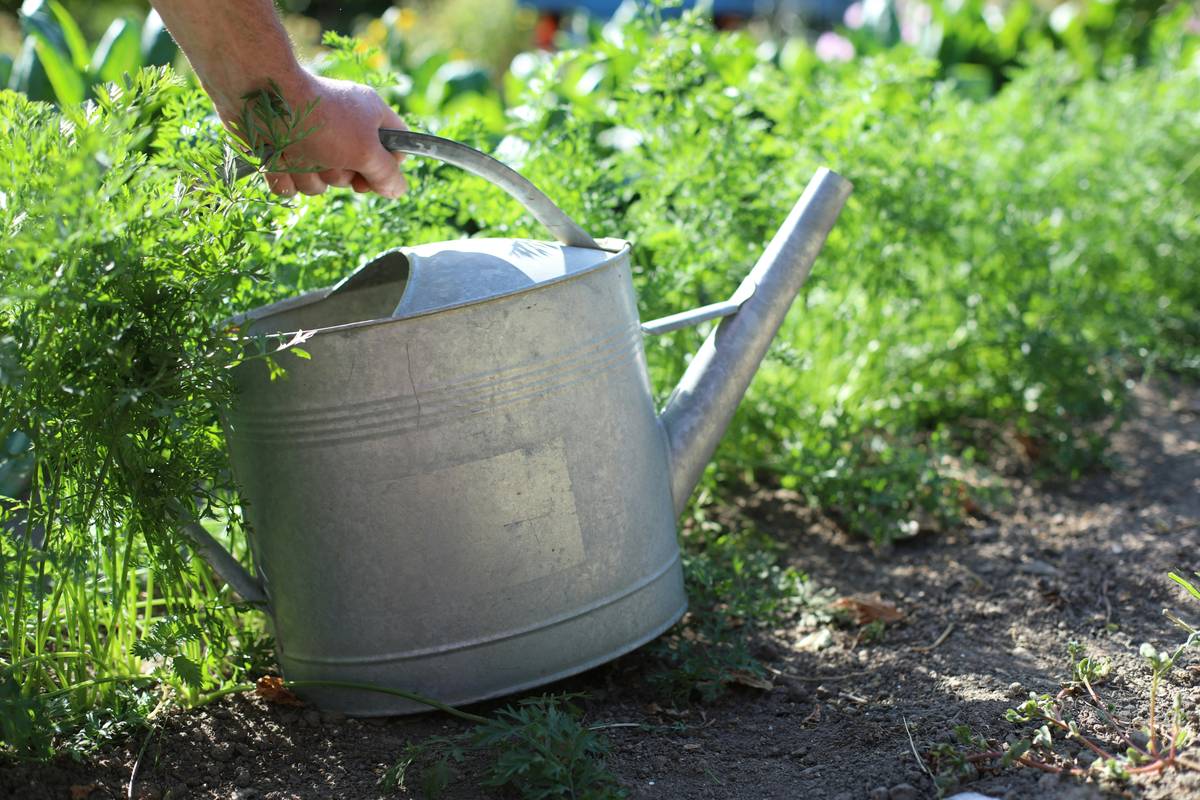
- Water roots—not leaves: Drip irrigation or soaker hoses cut fungal disease risk by up to 70% (per University of California Agriculture & Natural Resources). Wet foliage invites blight; dry foliage invites aphids. Roots want consistency.
- Leave habitat corridors: Don’t tidy every inch. Let a patch of native grasses or flowering herbs stay wild at your garden’s edge. That’s where beneficial insects—like lady beetles and parasitic wasps—overwinter and launch daily patrols.
And here’s a terrible tip I’ve actually heard at three different garden club meetings: “Just sprinkle cinnamon on seedlings to prevent damping-off.” It sounds gentle and natural—but decades of peer-reviewed studies show cinnamon has zero systemic antifungal activity in soil. Save your spice rack. Instead, use cooled chamomile tea as a gentle seedling spray (proven effective in a 2020 HortScience trial), or—better yet—start seeds in sterilized potting mix and avoid overwatering entirely.
How the Miller Family Doubled Their Harvest—Using Only What They Already Had
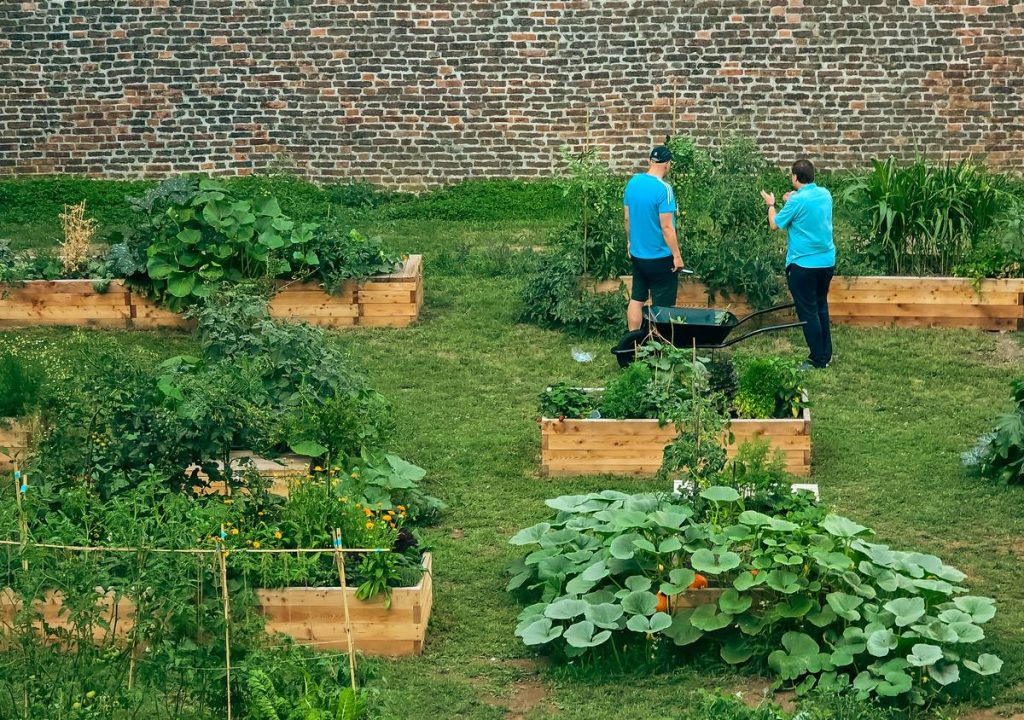
Last April, the Millers—a retired couple in rural Georgia—had two 4×8 ft raised beds yielding ~30 lbs of mixed veggies. They’d tried store-bought compost, neem oil sprays, and “organic” seed starting mix—yet yields plateaued, and early blight kept returning. After auditing their routine, they made three simple shifts: (1) stopped tilling to preserve soil structure and fungal networks; (2) planted buckwheat as a summer cover between tomato rows—suppressing weeds *and* attracting predatory mites; and (3) started a “compost corner” beside their shed, layering kitchen scraps with autumn leaves and coffee grounds (no turning needed). By October, their total harvest hit 68 lbs—with zero purchased inputs beyond seeds. Their secret? Patience, observation, and trusting microbial teamwork over chemical shortcuts.
Frequently Asked Questions About Home-Scale Organic Vegetable Growing
- Can I start organic vegetable gardening in containers?
- Absolutely—just choose food-grade pots ≥5 gallons, use certified organic potting mix (not garden soil), and feed with worm castings or diluted comfrey tea. Drainage is non-negotiable.
- Are heirloom seeds automatically organic?
- No. Heirlooms refer to open-pollinated, pre-1950s varieties—not growing method. Always buy from vendors who certify their seeds are grown organically (ATTRA Sustainable Agriculture maintains a trusted directory).
- How do I control squash bugs without pesticides?
- Hand-pick eggs (bronze clusters under leaves) and adults early morning, drop into soapy water. Also, interplant with tansy or radish—they deter adults behaviorally, not chemically.
- Does “organic tips home” include lawn care?
- This guide focuses specifically on vegetable gardening—but many principles apply. For example, using compost top-dressing instead of synthetic turf fertilizer builds soil life and reduces runoff. Learn more about holistic home landscape stewardship on our About Us page.
- Do I need to replace all my soil to go organic?
- No—and it’s ecologically unwise. Healthy soil biology rebounds quickly when fed correctly. Start with amendments, reduce disturbance, and monitor changes monthly. Within one season, you’ll see visible improvements in texture and water infiltration.
Back in that first spring after my soil test fiasco, I dug a single trench, layered in coffee grounds, crushed eggshells, and wilted comfrey leaves—and walked away. Two weeks later, earthworms were tunneling through it like tiny, diligent construction crews. That’s the quiet power of organic tips home: they don’t shout. They build. They wait. They reward attention over aggression. Your garden doesn’t need a savior—it needs a steady, curious, compassionate partner. Ready to grow something real? We’d love to hear how your journey unfolds—reach out anytime at our Contact Us page. And if you’re wondering how we protect your privacy while sharing these insights, our full commitments are outlined in our Privacy Policy.
Garden like the earth depends on it—because it does.