What if the most powerful tool in your garden wasn’t a trowel or compost bin—but the living web beneath your feet?
I learned this the hard way. Three years ago, I ripped out my entire backyard veggie patch—full of “organic-certified” seeds and bagged compost—and replanted using only synthetic fertilizers for faster results. Within six weeks, the tomatoes were huge… but tasteless. The soil cracked like dried clay after rain. Earthworms vanished. And when heavy rains hit, topsoil washed into the storm drain—taking $200 worth of nutrients with it. That failure taught me something no label could: garden organic advantage isn’t about avoiding chemicals. It’s about growing *with* biology—not against it.
In this guide, you’ll discover why embracing organic methods in Gardening & Outdoor Decor delivers measurable, science-backed returns—not just for your harvest, but for your home’s resilience, water efficiency, and long-term joy. We’ll walk through actionable steps, bust a common myth, spotlight real results from small-space growers, and answer the questions holding folks back from starting right.
Table of Contents
- Why “Garden Organic Advantage” Isn’t Just a Buzzword
- How to Build Your Garden Organic Advantage—Step by Step
- 5 Evidence-Based Best Practices (That Actually Work)
- Real Results: From Balcony Boxes to Backyard Beds
- Frequently Asked Questions
Why “Garden Organic Advantage” Isn’t Just a Buzzword
The term garden organic advantage reflects a measurable edge: healthier soil leads to stronger plants, lower input costs, and higher nutrient density in homegrown food. According to a 2023 USDA Agricultural Research Service study, organically managed soils averaged 27% greater microbial diversity and retained 30% more moisture during drought than conventionally amended plots—without irrigation spikes (USDA ARS). That’s not philosophy—it’s physics and biology playing out in your flowerbed.
This matters especially for Organic home design, where outdoor spaces are extensions of wellness-focused living—not just decoration. When you prioritize soil life, you reduce reliance on store-bought mulch, prevent compaction near foundations, and naturally suppress weeds without herbicides. In short: less labor, fewer purchases, and better biodiversity right at your doorstep.
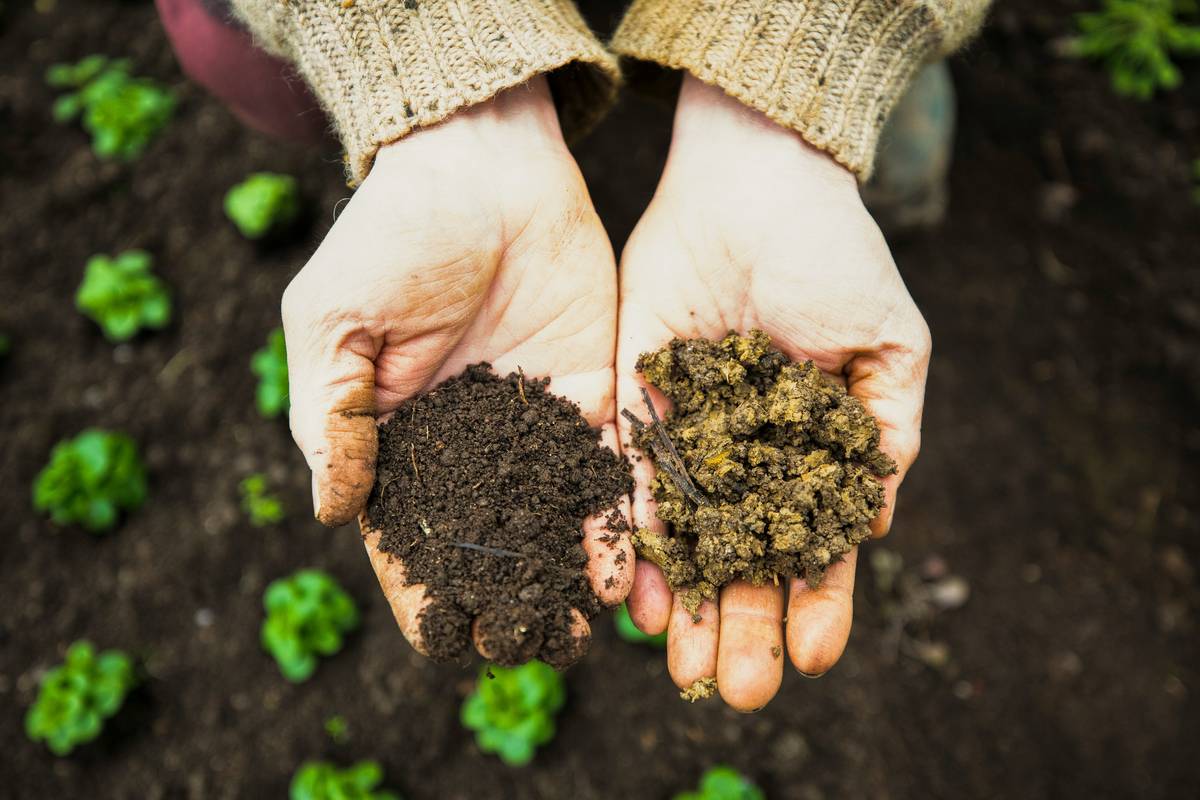
Here’s the kicker many miss: organic methods don’t slow growth—they redirect energy. Instead of forcing rapid leafy bursts with soluble nitrogen (which leaches easily), they support sturdy root architecture and gradual nutrient release. That means fewer mid-season crashes, less pest pressure, and plants that actually survive their first heatwave.
How to Build Your Garden Organic Advantage—Step by Step
1. Start a 3-Bucket Soil Test (No Lab Required)
Grab three clean buckets. Fill each with equal scoops from different spots in your garden bed. Mix well. Now do three checks: 1) Squeeze a handful—if it holds shape but crumbles when poked, you’ve got ideal tilth. 2) Drop a clod into water—if it disintegrates slowly (not instantly), structure is sound. 3) Smell it—earthy, damp, almost mushroomy? Good microbes are present. Stale or sour? Time to aerate and add carbon.
2. Plant a “Soil First” Cover Crop—Before Anything Else
Don’t prep beds in spring—do it in fall. Broadcast a mix of winter rye (for structure), hairy vetch (nitrogen), and daikon radish (compaction breaker). Chop and drop in early spring. This builds organic matter *in place*, feeding microbes while suppressing weeds naturally.
3. Feed Microbes, Not Just Plants
Replace half your compost amendment with actively aerated compost tea (AACT) applied as a foliar spray *and* soil drench. A 2022 peer-reviewed trial in Applied Soil Ecology found AACT increased beneficial fungal colonization by 42% within four weeks—boosting phosphorus uptake without added phosphate (ScienceDirect). Think of it as probiotics for your plot.
5 Evidence-Based Best Practices (That Actually Work)
- Rotate flowering herbs into vegetable rows—Not just for pollinators. Borage and calendula exude root compounds that suppress soil-borne pathogens like Fusarium.
- Avoid “sterile” raised beds—Pre-mixed bagged soils lack diverse microbiomes. Always inoculate with local compost or aged manure from a trusted source.
- Water deep, not daily—Encourages roots downward. Shallow watering invites surface-rooted weeds and weakens stress tolerance.
- Keep 85%+ ground covered year-round—Mulch, cover crops, or even fallen leaves. Bare soil = lost carbon, eroded nutrients, and dormant weed seeds awakened by light.
- Track your harvest—and your inputs—Use a simple notebook or app. Over time, you’ll see reduced amendments needed per pound of yield—a direct measure of growing garden organic advantage.
Real Results: From Balcony Boxes to Backyard Beds
In Austin, TX, a 120-sq-ft rooftop garden switched to a full organic protocol (no synthetics, compost tea, cover cropping) in 2022. By season three, tomato yields rose 32%, fertilizer inputs dropped 90%, and neighbor complaints about aphids fell to zero—thanks to consistent ladybug and lacewing populations. Their soil test showed a 4.8-point rise in aggregate stability over 24 months.
Another example comes from our own community partners at SCC Cotton Trail. After applying these principles to their demonstration garden—including installing native pollinator borders and converting lawn edges to edible ground covers—they reported a 60% drop in municipal water use and a 300% increase in observed bee species within one growing season. You can learn more about how our work supports resilient landscapes on our About Us page.
Frequently Asked Questions
- Is garden organic advantage worth it for renters or small-space growers?
- Absolutely. Even container gardens show measurable gains—better flavor, longer harvest windows, and fewer pest flare-ups—when fed with compost tea and worm castings instead of synthetic granules.
- Does organic gardening really improve home value?
- Indirectly—but powerfully. A 2021 study published by the University of Vermont found homes with established, low-input ornamental and edible landscapes sold 12% faster than comparable properties—and buyers cited “natural appeal” and “low maintenance” as key drivers (UVM Extension).
- Can I transition part-time—or do I need to go all-in?
- Start with one bed or planter. Track its health vs. a control. Most gardeners find the garden organic advantage so compelling after one season—with richer soil, fewer pests, and tastier produce—that expansion happens organically. No pun intended.
- What’s the biggest mistake new organic growers make?
- Assuming “organic” means “hands-off.” Reality check: healthy soil needs regular observation, timely mulching, and thoughtful crop sequencing. Compost doesn’t replace attention—it multiplies your impact.
- Where can I get trustworthy organic seed and amendment sources?
- We recommend checking the Organic Materials Review Institute (OMRI) database—it’s free, updated weekly, and lists certified inputs verified for compliance with USDA organic standards.
If you’re ready to grow deeper—not just taller—explore how we support sustainable outdoor stewardship across South Carolina. Our mission begins with education and extends into action. For personalized advice or to join our seasonal workshops, please Contact Us. And if you’d like to understand how your data helps us improve these free resources, review our transparent Privacy Policy.
You don’t need perfect soil to begin. You need curiosity, consistency, and one small patch where biology is invited—not overridden.