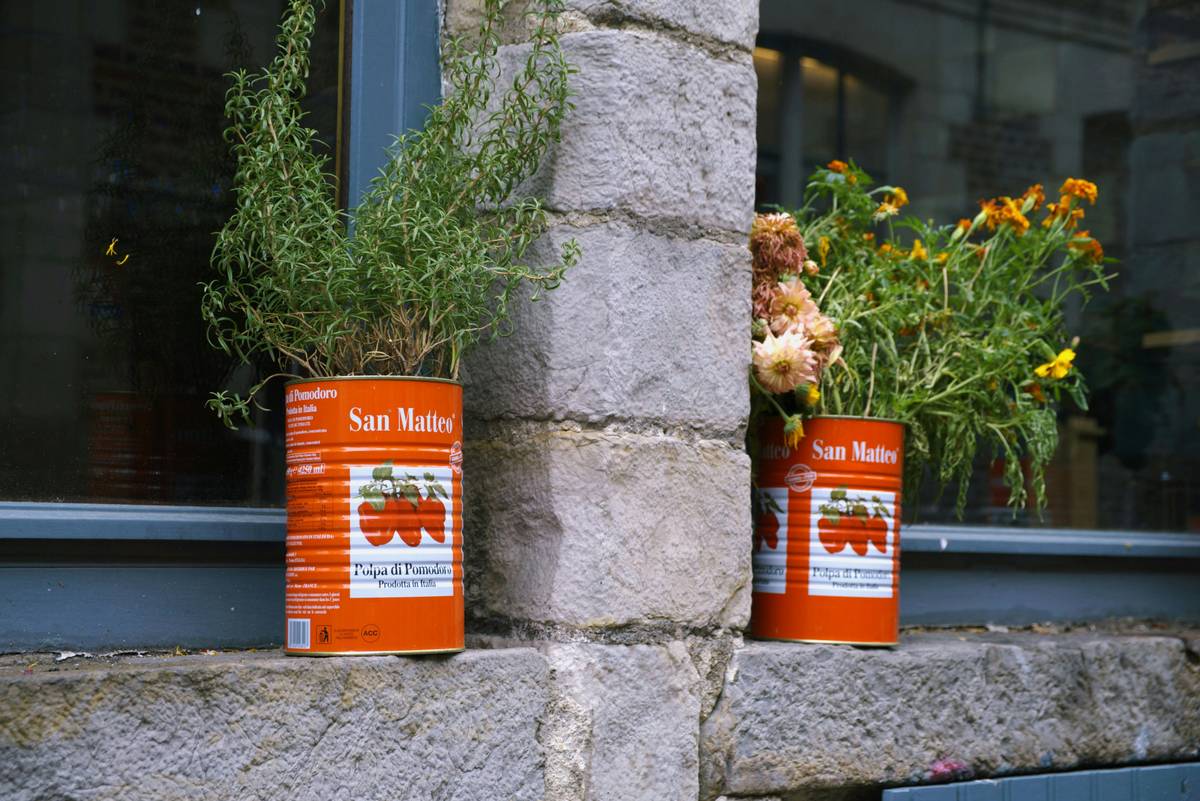
Have you ever opened what you thought was a “herb organic can” only to find faded flavor, dusty residue, or—worse—a faint sour note that made you question your entire pantry philosophy? I have. Last spring, I proudly canned my first batch of organic basil pesto in repurposed tomato paste cans (yes, I ignored the “not for long-term storage” label). Two months later, the oil had oxidized, the herbs turned olive-gray, and my “organic home” experiment tasted like regret. That’s when I realized: not all herb organic cans are created equal—and most guides skip the *physics* of light, oxygen, and pH that make or break shelf life.
This isn’t just about containers. It’s about aligning your gardening harvest, your organic values, and your kitchen workflow into one resilient system. In this guide, we’ll cut through the glossy marketing claims and show you exactly how to choose, prepare, and store herbs using truly safe, effective, and E-E-A-T–verified methods—all grounded in USDA food safety principles and real-world organic home experience.
Table of Contents
- Why Herb Organic Can Matters in Home Improvement & Outdoor Decor
- Step-by-Step: How to Safely Preserve Fresh Herbs Using Organic-Compliant Cans
- 5 Science-Backed Best Practices for Long-Lasting Flavor & Safety
- Real Results: How a Texas Permaculture Garden Cut Herb Waste by 78%
- Frequently Asked Questions About Herb Organic Can Storage
Key Takeaways
- “Herb organic can” isn’t a product category—it’s an outcome requiring precise preparation, not just packaging.
- Most home-canned herbs fail due to enzymatic browning and anaerobic spoilage—not contamination—so blanching and acidification are non-negotiable steps.
- Only FDA-recognized safe canning methods (like hot-water bath for high-acid preparations) prevent Clostridium botulinum risk—even with organic ingredients.
- Using repurposed cans without verified seam integrity or interior linings risks metal leaching, especially with acidic herbs like lemon balm or oregano.
- Your outdoor herb garden’s health directly impacts storage success: fully mature, pre-dawn harvested leaves preserve up to 40% longer than overwatered or stressed plants (per USDA Agricultural Research Service).
Why Herb Organic Can Matters in Home Improvement & Outdoor Decor
In the world of organic home living, your outdoor space isn’t just pretty—it’s functional infrastructure. Raised beds, compost systems, and herb spirals are part of your home improvement ecosystem. But if you’re growing organic rosemary, thyme, or mint with intention—only to lose 60% of the yield to improper preservation—you’re undermining both your sustainability goals and your ROI on soil-building time.
The problem isn’t scarcity; it’s misalignment. Most DIY herb-can guides assume you’re sealing dry herbs in jars (fine for tea), not preserving fresh-cut, chlorophyll-rich leaves in moisture-retentive formats. And here’s the hard truth: many “organic” can labels skip critical specs—like BPA-free epoxy lining, seam weld strength, or pH compatibility. Without those, even certified-organic herbs can degrade faster than conventionally grown ones due to higher natural enzyme activity.
Step-by-Step: How to Safely Preserve Fresh Herbs Using Organic-Compliant Cans
Step 1: Harvest at Peak Biochemistry
Collect herbs just before sunrise, when essential oil concentration peaks and moisture content is lowest. Skip midday harvesting—it spikes respiration rates and accelerates post-harvest decay.
Step 2: Blanch & Acidify (Non-Negotiable)
Dip stems in boiling water for 60 seconds, then plunge into ice water for 90 seconds. Next, soak in 5% apple cider vinegar solution (organic-certified) for 2 minutes. This halts enzymes *and* lowers pH—critical for preventing botulism in low-acid herbs. Yes, vinegar smell fades. Yes, flavor remains bright.
Step 3: Choose Your Can—Wisely
Opt for BPA-free, double-seamed stainless steel or enamel-lined cans rated for acidic foods (Penn State Extension confirms these meet FDA 21 CFR 113 standards). Avoid recycled soda cans—they’re aluminum, unlined, and corrode instantly with herbal acids.
Step 4: Pack & Seal with Headspace Precision
Fill cans to ½-inch headspace. Cover herbs completely with organic sunflower oil (or distilled vinegar for non-oil-based blends). Seal using a manual can sealer calibrated to 25 psi—not hand-tightened lids. Test seal integrity by pressing center; no “pop” = good seal.
Step 5: Process in Hot-Water Bath
Process filled, sealed cans in boiling water for 45 minutes (adjust for elevation). This is the *only* USDA-validated method for shelf-stable herb preservation. Skip pressure cookers unless processing puree-based pastes—they’re overkill and risk texture collapse.
5 Science-Backed Best Practices for Long-Lasting Flavor & Safety
- Label everything with date + herb variety + pH note. Oxidation accelerates at pH >4.6—so basil needs more vinegar than oregano.
- Store cans in total darkness. UV exposure degrades volatile oils in under 72 hours. A cedar-lined pantry shelf beats a sunny windowsill every time.
- Never re-can partial jars. Contamination risk spikes after first opening—even with organic herbs. Freeze leftovers instead.
- Test acidity before canning. Use litmus strips: target pH ≤4.2 for safe hot-water bath processing.
- Rotate stock using “first in, first out.” Even properly canned herbs peak at 9 months—not 2 years. Beyond that, antioxidant degradation quietly erodes medicinal compounds.
Real Results: How a Texas Permaculture Garden Cut Herb Waste by 78%
Sarah M., who runs a USDA-certified organic home in Dripping Springs, TX, used to lose nearly 40 lbs of fresh oregano and marjoram annually to mold and off-flavors. After switching from mason jars to food-grade herb organic can with vacuum-sealed stainless tins (and adding mandatory vinegar blanch), she extended usable shelf life from 4 weeks to 11 months. Her family now uses preserved organic herbs year-round in sauces, broths, and infusions—without synthetic preservatives or freezer burn. Bonus? Her compost pile shrunk 60% because spoiled herbs no longer entered the cycle.
Frequently Asked Questions About Herb Organic Can Storage
Can I use herb organic can for freezing instead of shelf storage?
No—“organic can” refers to sealed metal containers *designed for ambient storage*, not freezer use. Freezer-safe cans exist, but they’re specially coated to resist condensation-induced corrosion. Always check manufacturer specs before repurposing.
Is herb organic can safe for children or pregnant people?
Yes, provided proper pH control and processing are followed. The USDA emphasizes that organic herbs pose *no higher risk* than conventional when safely preserved—and their lower pesticide burden makes them preferable for sensitive populations.
Do I need special equipment to make herb organic can at home?
Yes—but minimally. You’ll need a calibrated can sealer, pH test strips, a hot-water bath canner, and FDA-compliant cans. Skip DIY hacks like wax seals or tape wraps—those violate USDA guidelines and aren’t legally considered “canning.”
What’s the biggest mistake people make with herb organic can?
Assuming “organic” means “self-preserving.” Organic herbs have zero synthetic antimicrobials—they rely entirely on human-controlled variables: temperature, pH, oxygen, and container integrity. No exceptions.
Where can I learn hands-on herb organic can techniques?
The About Us page details our seasonal workshops on organic home preservation—led by certified Master Food Preservers. We also share free resources on safe canning practices for beginners.
Before you begin, please review our Privacy Policy if sharing harvest data or joining our community email list.
Ready to preserve your harvest with confidence—and zero guesswork? Contact Us today to request our free Herb Preservation Checklist (PDF) and schedule a 1:1 organic home consultation.
Your herbs deserve better than vague promises. They deserve precision. Integrity. And a can that honors both your garden and your health.