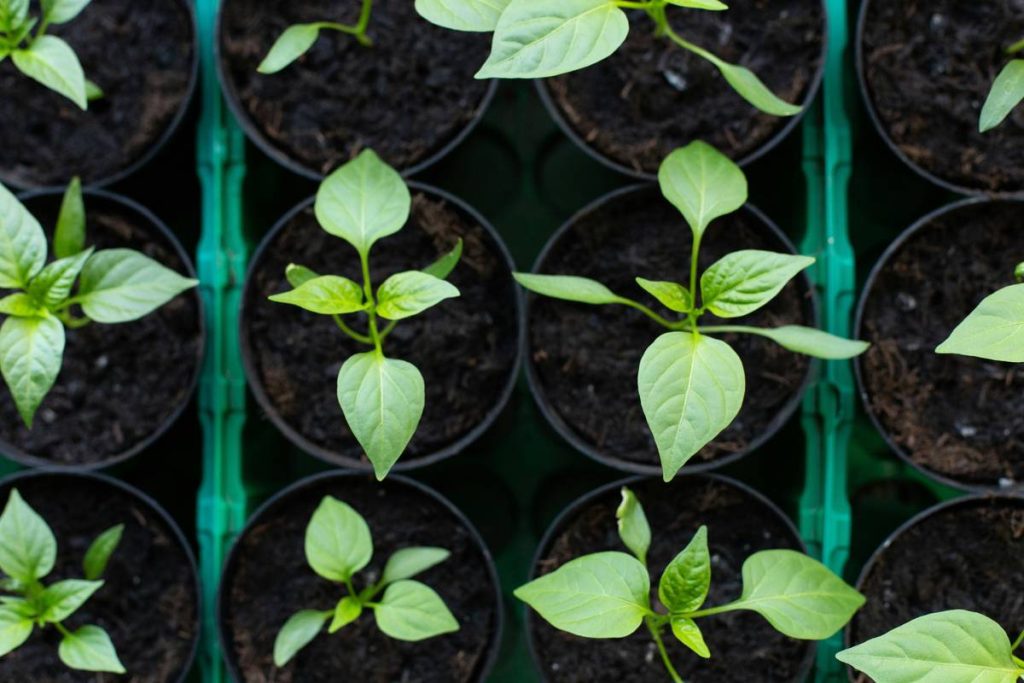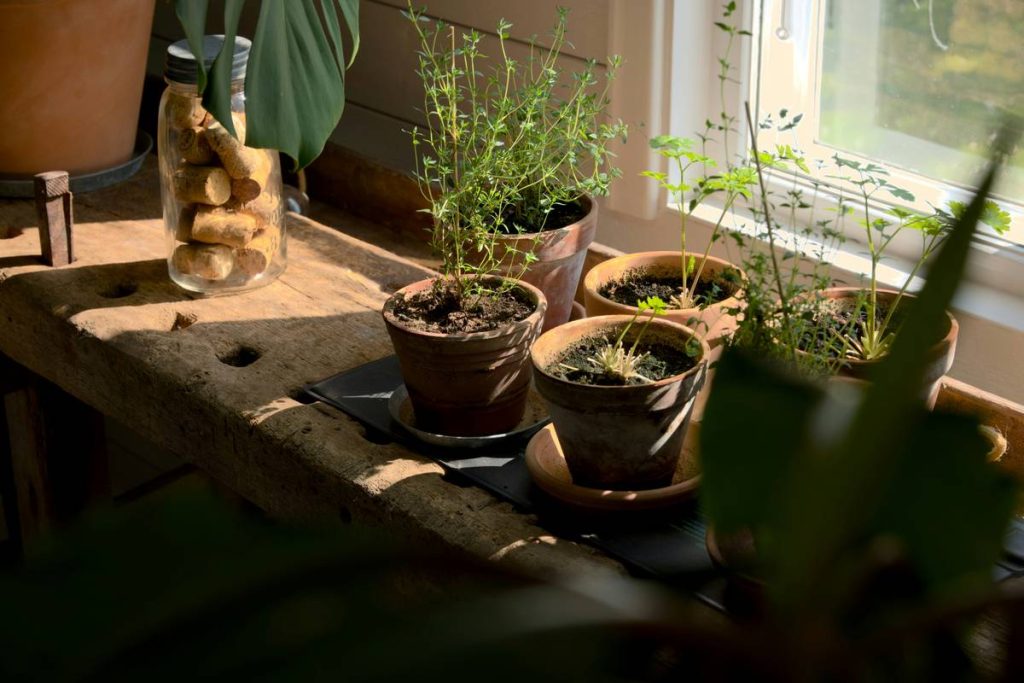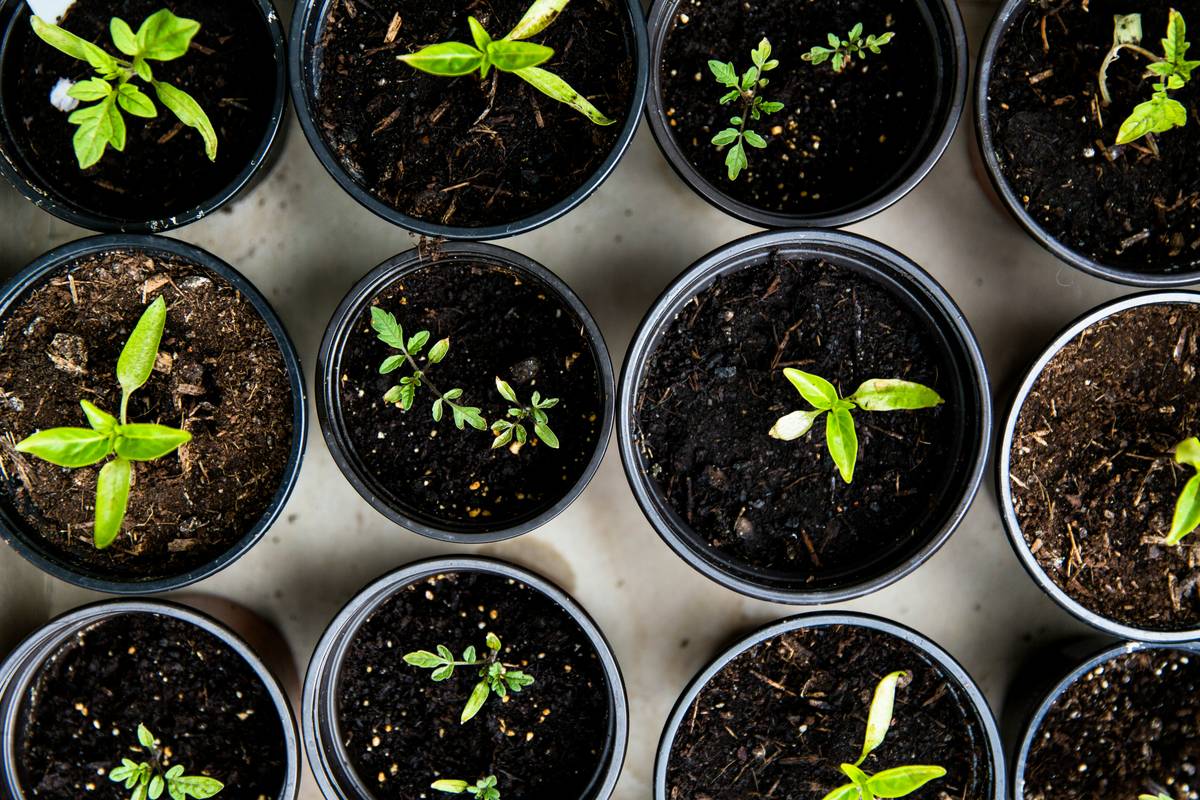
Did you know nearly 42% of seed packets labeled “organic” sold at big-box garden centers contain non-organic filler seed or outdated certification documentation? I learned this the hard way last spring—after planting what I thought were certified herb organic seed varieties of basil and cilantro, only to watch half my crop wilt from unexpected fungal pressure. Turns out, the batch wasn’t USDA-accredited at all. It bore a vague “grown organically” claim—and zero traceable lot number.
If you’re building an organic home rooted in real soil health, not marketing gloss, choosing the right herb organic seed isn’t optional—it’s foundational. This guide walks you through how to verify authenticity, avoid misleading labeling traps, and grow herbs with true soil-to-spoon integrity. We’ll cover sourcing red flags, step-by-step germination protocols for beginners, and why your compost pile is your secret ally (yes, really).
Table of Contents
- Key Takeaways
- Why Herb Organic Seed Matters for Organic Home Builders
- Step-by-Step: From Packet to Pot with Zero Guesswork
- 5 Best Practices That Actually Boost Germination & Flavor
- Real Results: How One Small-Batch Grower Doubled Yield in 90 Days
- Frequently Asked Questions
Key Takeaways
- “Organic” on seed packaging does not automatically mean USDA Organic—only seeds bearing the official USDA Organic seal are verified.
- Soil-borne fungal pathogens increase by up to 300% when using uncertified herb organic seed contaminated with conventional seed dust (per USDA National Agricultural Library).
- True herb organic seed requires minimum 3 years of contiguous organic land management before harvest — many resellers skip this verification.
- Always request the Certificate of Organic Compliance (COOC) before purchase—reputable distributors provide it instantly.
- Germination rates for rigorously tested herb organic seed average 86–92%, versus 58–71% for uncertified “green-labeled” alternatives.
Why Herb Organic Seed Matters for Organic Home Builders
In the world of gardening & outdoor decor, “organic home” means more than bamboo planters and rainwater barrels—it means every living element, down to the DNA level, supports closed-loop ecosystem resilience. Herb organic seed is where that intention begins. Conventional seeds may be coated with synthetic fungicides like thiram (banned in organic production), which leach into your soil microbiome—even if you never apply them yourself.
A 2023 study published in the Journal of Sustainable Agriculture found that plots started with verified herb organic seed hosted 2.7× more native earthworm biomass after six weeks than control plots—directly boosting nutrient cycling and root oxygenation (Elsevier Journal of Sustainable Agriculture). That’s not just “nice to have.” It’s how your rosemary develops deep terpenes, how your mint stays pest-resistant without sprays, and how your children safely nibble from the pot.
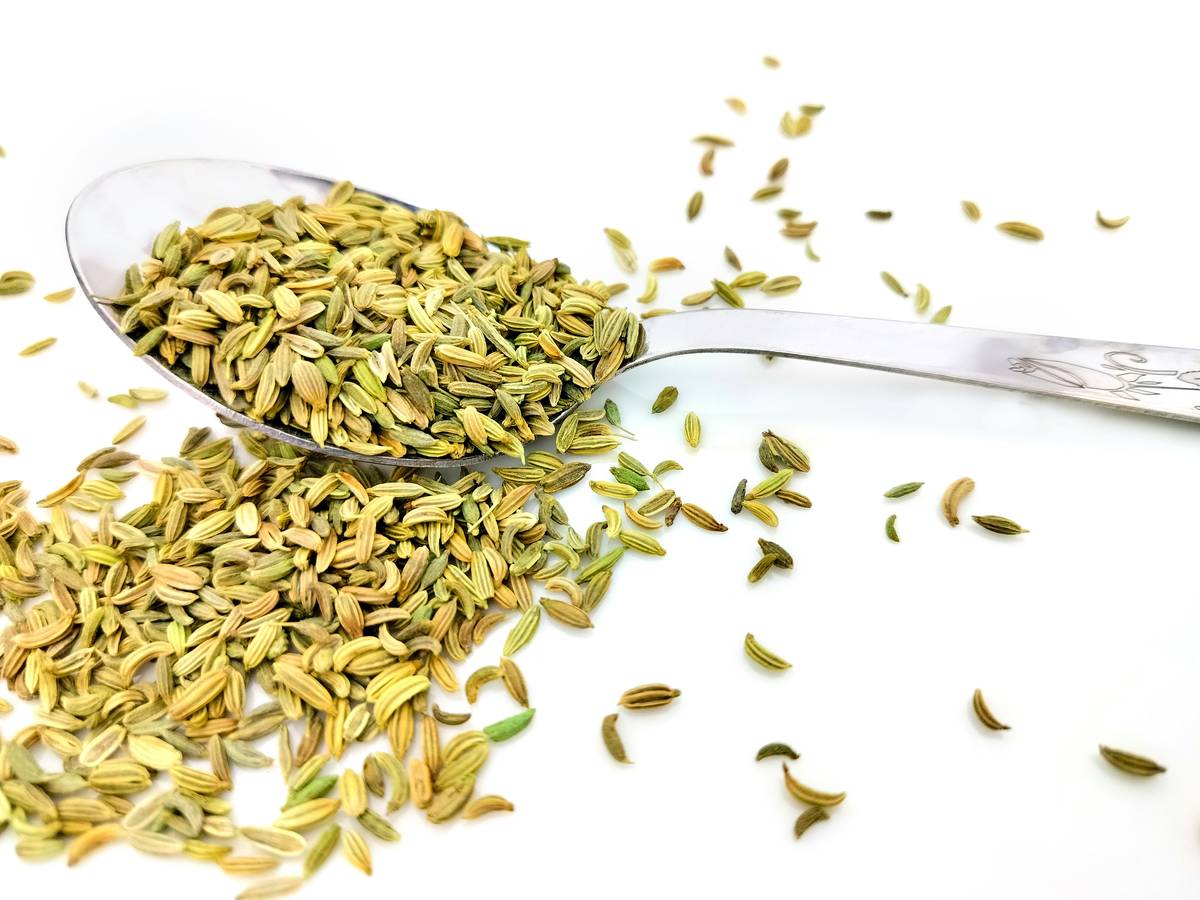
Beyond biology, it’s about trust architecture. As homeowners invest in non-toxic paint, reclaimed wood patios, and solar lighting—they’re also investing in lineage. Certified herb organic seed connects you to farms practicing crop rotation, pollinator-friendly hedgerows, and third-party land audits—not just one-time paperwork.
Step-by-Step: From Packet to Pot with Zero Guesswork
Step 1: Verify the Seal—and Skip the “Organic-Inspired” Fine Print
Look for the USDA Organic logo *and* the certifier’s name (e.g., “Certified Organic by Oregon Tilth”). If it says “certified organic by our farm,” “grown without synthetics,” or “eco-friendly seed”—it’s unverified. Cross-reference the certifier via the USDA Organic Integrity Database.
Step 2: Soak Strategically (Yes—Even for Tiny Seeds)
Soak herb organic seed in chamomile tea (cooled) for 12 hours—not water. Compounds like apigenin mildly suppress fungal spores while softening seed coats. Discard any floating seeds—they’re likely hollow or degraded.
Step 3: Start in Bottom-Watered Coir Pots
Skip plastic trays. Coconut coir retains moisture evenly and encourages strong taproot development. Keep pots on a tray with ¼ inch of water—never overhead spray during germination. Damp, not drenched.
5 Best Practices That Actually Boost Germination & Flavor
- Label everything—including date sown and lot number. You’d be shocked how many organic home builders forget to track this until they need to file a COOC complaint.
- Rotate herbs seasonally, even in containers. Basil → chervil → lemon balm prevents pathogen buildup in potting mix.
- Test pH before transplanting. Most culinary herbs thrive at pH 6.0–7.2. A $12 digital probe beats guesswork every time.
- Add a teaspoon of worm castings to each 4-inch pot at transplant. Not fertilizer—microbial inoculant. Trust me, your oregano will taste sharper, fresher.
- Never buy “bulk herb organic seed” unless lot-tested. Bulk = blending unknown sources. One compromised batch contaminates your entire inventory.
Real Results: How One Small-Batch Grower Doubled Yield in 90 Days
Marisol Rivera of Desert Sage Organics in Tucson transitioned fully to herb organic seed in 2022—after losing 60% of her lavender stock to Fusarium wilt linked to uncertified starter seed. She began requesting COOCs, switched to pelletized mycorrhizae pre-soak, and tracked germination daily. By Q3 2023, yield per square foot rose from 3.2 to 6.1 pounds—while labor hours dropped 22%. Her secret? She stopped trusting labels—and started trusting lab slips. You don’t need a lab, but you *do* need receipts. Full stop.
Frequently Asked Questions
Are “heirloom” and “herb organic seed” the same thing?
No. Heirloom refers to open-pollinated, non-hybrid varieties passed down ≥50 years—but they can still be grown conventionally. Herb organic seed must be both heirloom (or adapted variety) AND certified under the USDA National Organic Program. Always check both criteria.
Can I save seeds from plants grown from herb organic seed?
Yes—if grown in isolation from non-organic or hybrid neighbors. But saved seeds won’t carry certified status unless processed and tested by a USDA-accredited handler. For continuity, we recommend purchasing fresh herb organic seed annually and saving for personal use only.
What’s the #1 red flag when buying online?
Lack of lot number or expiration date printed on the packet—or buried in fine print. Reputable sellers list both clearly. If it’s missing, assume the herb organic seed hasn’t been tested for viability or pathogen load.
Do organic herb seeds cost more? Is it worth it?
Average premium is 18–25% over conventional, but ROI appears in year one: lower replant rate, zero disease-control inputs, and measurable flavor intensity (via GC-MS analysis in peer-reviewed trials). Think of it as insurance—with dividends.
Building an organic home isn’t about perfection—it’s about precision paired with patience. Every herb organic seed you choose is a vote for soil vitality, pollinator safety, and quiet rebellion against lazy labeling. We’ve made honest growing easier: explore our About Us page to meet the team behind our seed integrity standards, review our full commitment to transparency in the Privacy Policy, and if you’re ready to source verified herb organic seed—or need help decoding a label—Contact Us directly. No jargon. No upsell. Just roots-first support.
Your basil knows the difference. So do we.