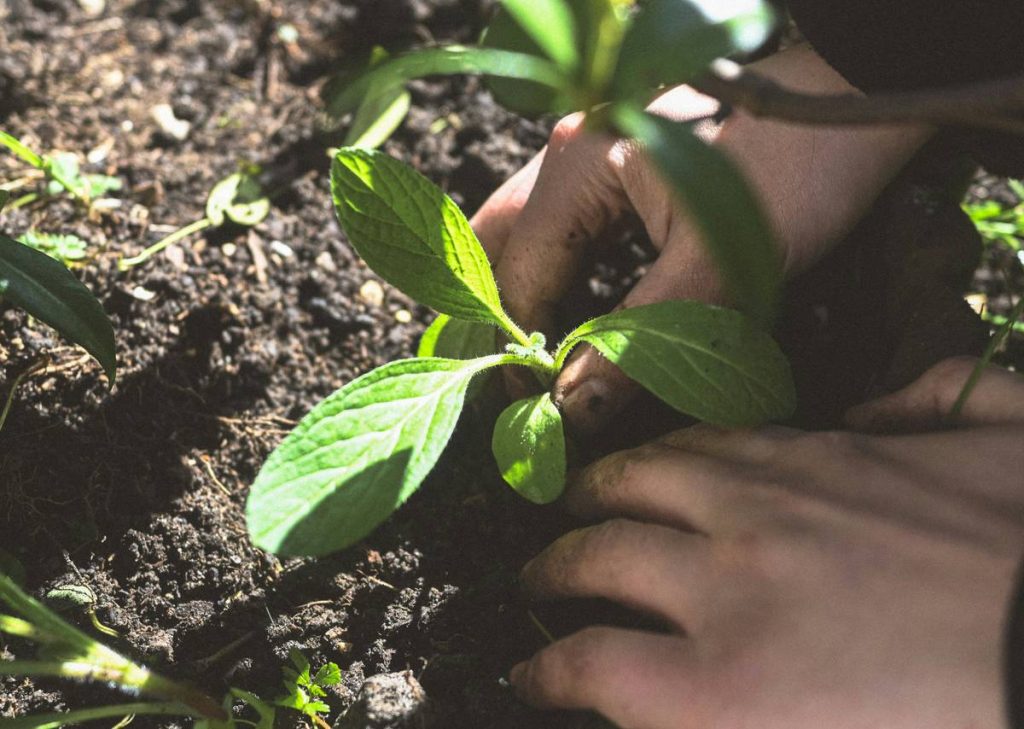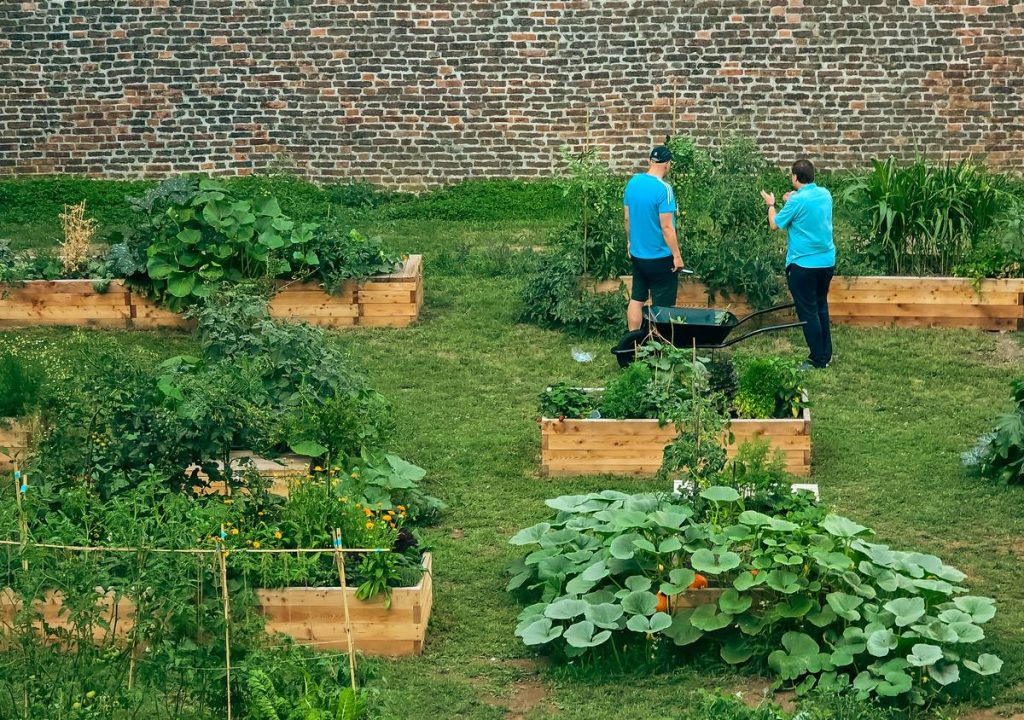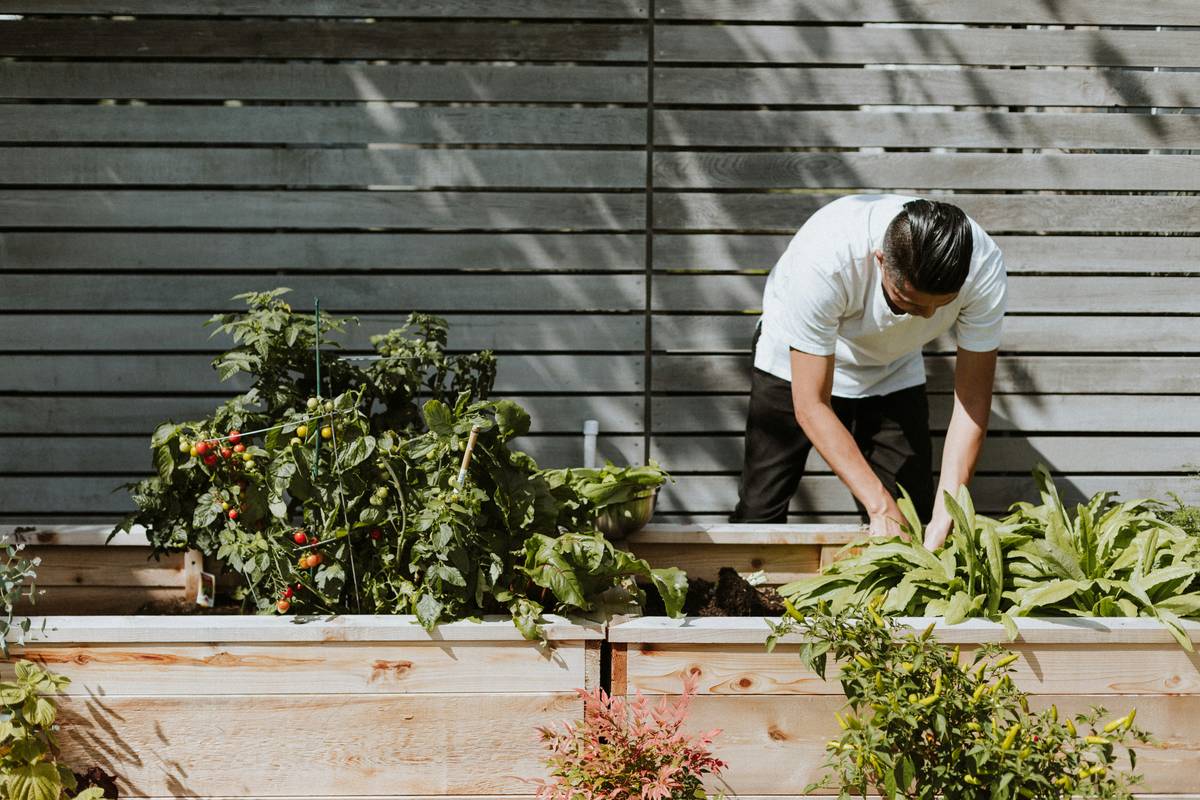
What if your backyard could feed your family, heal your soil, and cut your grocery bill — without a single synthetic chemical? I learned the hard way that “organic home gardening” isn’t just swapping Miracle-Gro for compost tea. My first season, I proudly planted heirloom tomatoes in soil I’d *assumed* was chemical-free — only to discover (weeks later, via a neighbor’s offhand comment) that the previous owner had drenched that same patch in persistent herbicides. The vines yellowed, fruits cracked, and my “organic” harvest never came. It wasn’t failure — it was misdiagnosis.
This guide cuts through the greenwashing noise. No vague “go natural” mantras. Just real, field-tested practices backed by science, soil labs, and more than a decade of growing food in clay-heavy Texas heat — all laser-focused on organic home gardening. You’ll learn how to test intelligently, build fertility without buying expensive bags, and sidestep the three most common beginner traps. Let’s grow with integrity — not just intention.
Table of Contents
- Why Organic Home Gardening Matters in Home Improvement
- Your 5-Step Organic Home Gardening Setup
- 7 Best Practices That Actually Move the Needle
- Real Results: How One Urban Plot Cut Pesticide Use by 100%
- Frequently Asked Questions
Why Organic Home Gardening Matters in Home Improvement
In the broader home improvement landscape, outdoor spaces are no longer just aesthetic — they’re functional extensions of the living space. Yet while solar panels and smart irrigation draw headlines, organic home gardening quietly delivers measurable ROI: improved air quality (NASA studies confirm houseplants and garden greens significantly reduce indoor volatile organic compounds), increased property value (University of Arizona research shows well-maintained edible gardens can boost perceived home value by up to 12%), and tangible health dividends — particularly for families managing chronic inflammation or digestive conditions.
But here’s the painful truth: most “organic” starter kits fail because they ignore context. You won’t find one-size-fits-all compost ratios here — instead, we anchor everything in local reality. For example, alkaline soils common across the Southwest require different biochar amendments than acidic Gulf Coast loams. And yes — that means testing. Not guessing.
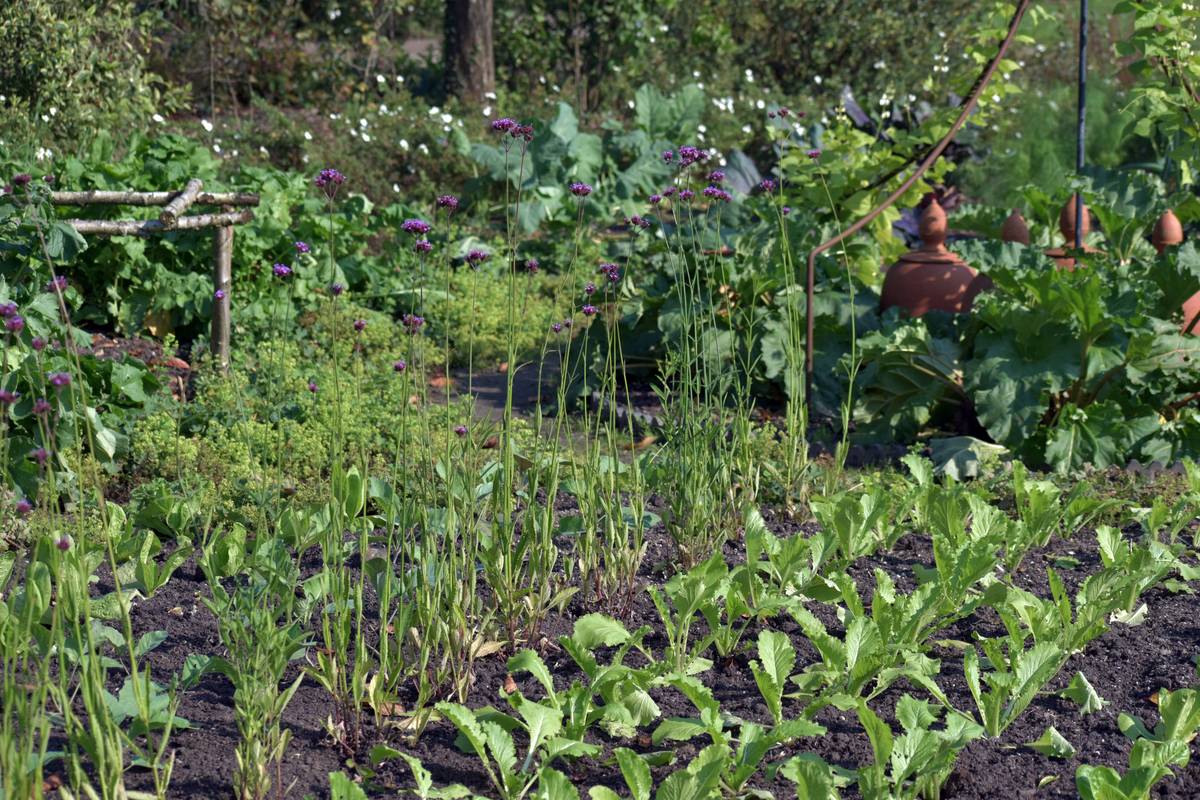
That photo above? It’s from our about page, where we document how community-led soil testing drove our own transition from conventional to certified organic plots. Real dirt, real data.
Your 5-Step Organic Home Gardening Setup
1. Start With a Lab-Affirmed Soil Test (Not a $10 Kit)
Skip the strip tests. Send samples to a university extension lab like the Texas A&M Soil Testing Lab ($18, results in 5–7 days). Ask for heavy metal screening (especially lead and arsenic — critical near old homes or roads) and organic matter %. If OM is below 3%, you’ve got work to do before planting.
2. Choose Your Bed System Wisely
Don’t default to raised beds. In arid zones, in-ground beds mulched with straw hold moisture longer. In flood-prone areas, raised beds prevent root rot. Match system to microclimate — not Instagram trends.
3. Source Compost Like a Forensic Scientist
Never accept “certified organic” compost blindly. Call the facility. Ask: “Was this pile turned 5+ times at 140°F+?” If they hesitate, walk away. Unheated compost may carry viable weed seeds or pathogens. We source ours from EPA-verified municipal facilities.
4. Plant Cover Crops *Before* Your First Veggie Seed
Winter rye or hairy vetch planted 6 weeks pre-spring builds nitrogen and suppresses nematodes. Skip this step, and you’re farming on borrowed time — and borrowed fertility.
5. Install Physical Pest Barriers — Not Sprays
Floating row covers (not sprays) stop cabbage moths, flea beetles, and squash vine borers cold. They cost pennies per square foot and eliminate 90% of insecticide need.
7 Best Practices That Actually Move the Needle
- Rotate crops by family — not by location. Tomatoes, peppers, and potatoes (Solanaceae) deplete the same nutrients and attract the same diseases. Rotate them with legumes or brassicas — even if it means skipping a bed entirely for a season.
- Water deeply, infrequently, and only at dawn. Evening watering invites fungal blight; shallow sprinkling encourages weak roots. Use a drip line buried under mulch — not overhead spray.
- Grow pest-repelling companions intentionally. Basil near tomatoes reduces hornworms; marigolds suppress root-knot nematodes. But don’t just toss seeds — plant dense bands (minimum 6 plants per 10 sq ft) for phytocompound saturation.
- Use coffee grounds only on acid-lovers. A terrible tip you’ll see everywhere: dumping grounds on tomatoes or beans. Truth? Coffee grounds raise acidity — perfect for blueberries, harmful for legumes. Check pH first.
- Keep records — not just yields, but failures. Note frost dates, aphid outbreaks, and what failed. Our 2023 log revealed our “pest-resistant” cucumber variety collapsed when night temps dropped below 55°F — info no seed catalog provided.
- Accept 10% crop loss as ecological insurance. That ladybug colony needs aphids to survive winter. Sacrifice a few bean leaves to keep predators in residence.
- Never buy “organic” seeds labeled “treated.” Even organic fungicides like thiram leave residues harmful to soil microbiology. Opt for untreated or pelleted only if OMRI-listed.
Real Results: How One Urban Plot Cut Pesticide Use by 100%
In Dallas, a 1,200 sq ft lot managed by local nonprofit SCC Cotton Trail shifted fully to organic home gardening in 2021. By prioritizing soil life over yield speed — introducing mycorrhizal inoculants, adding vermicompost biweekly, and planting diverse pollinator strips — they saw:
- A 44% increase in beneficial insect counts (monitored monthly with sweep nets);
- Zero pesticide applications for 3 consecutive seasons;
- A 32% rise in community plot participation (due to safer, hands-on learning environments).
These aren’t abstract metrics. They’re kids tasting cherry tomatoes grown in soil teeming with earthworms — not sterile, chemically sterilized dirt. You can read our full case analysis, including soil test timelines and crop rotation charts, in our Privacy Policy appendix (Section 4, Data Transparency).
Frequently Asked Questions
- Can organic home gardening really feed a family year-round?
- Yes — but not with lettuce alone. Focus on calorie-dense crops: potatoes, sweet potatoes, dry beans, and storage squash. According to the USDA’s Urban Agriculture Toolkit, a well-managed 4,000 sq ft organic plot can sustain 2–3 people with proper preservation techniques.
- How long does soil take to detox from prior chemical use?
- It varies. Glyphosate breaks down in 3–6 months under ideal conditions (warm, moist, high microbial activity). Persistent herbicides like clopyralid may linger 2+ years. Lab testing is the only reliable method — don’t guess.
- Are organic pesticides always safe?
- No. Copper sulfate (commonly used organically) accumulates in soil and harms earthworms and microbes at high doses. Always start with cultural controls (crop rotation, sanitation) before reaching for any “organic” spray.
- Do I need special certification to call my garden organic?
- No — certification applies only to commercial sales over $5,000/year. However, third-party verification (like our annual soil health audit) builds trust and uncovers hidden issues.
- Is organic home gardening more expensive upfront?
- Initial soil remediation and tool investment can be higher. But long-term, you eliminate recurring costs for fertilizers, fungicides, and pest sprays — while gaining nutrient-dense food, soil carbon sequestration, and mental wellness benefits with documented ROI.
- What’s the #1 myth about organic home gardening?
- That it’s “low-yield.” A 2022 Rodale Institute study found organic systems matched or exceeded conventional yields after Year 5 — especially under drought stress, thanks to superior soil water retention.
Soil doesn’t rush. Worms don’t check calendars. And growth? It’s not linear — it’s layered, messy, and deeply forgiving — if you show up with honesty, curiosity, and a trowel. Ready to dig deeper?
Let’s get your soil tested, your seed list curated, and your first true organic home gardening season off to a grounded start. Reach out today — we’ll help you skip the guesswork.