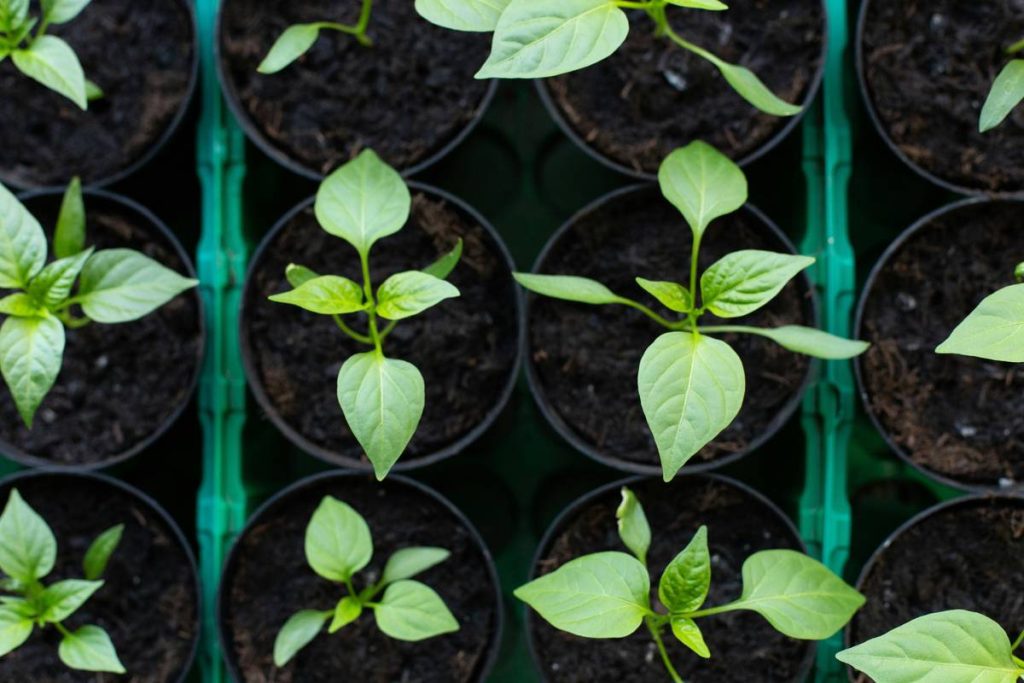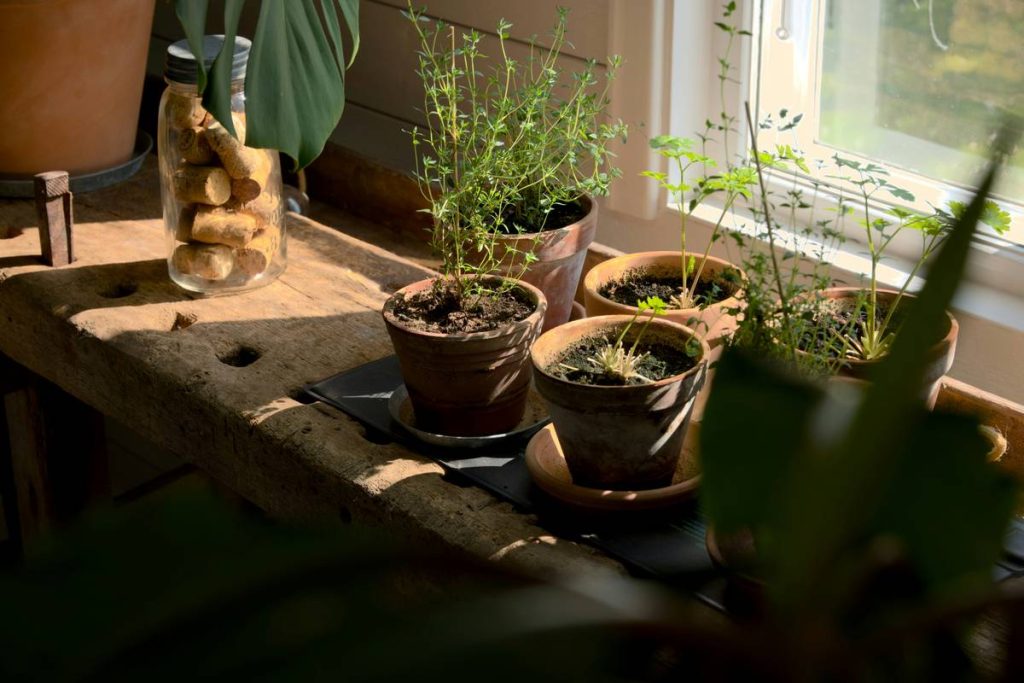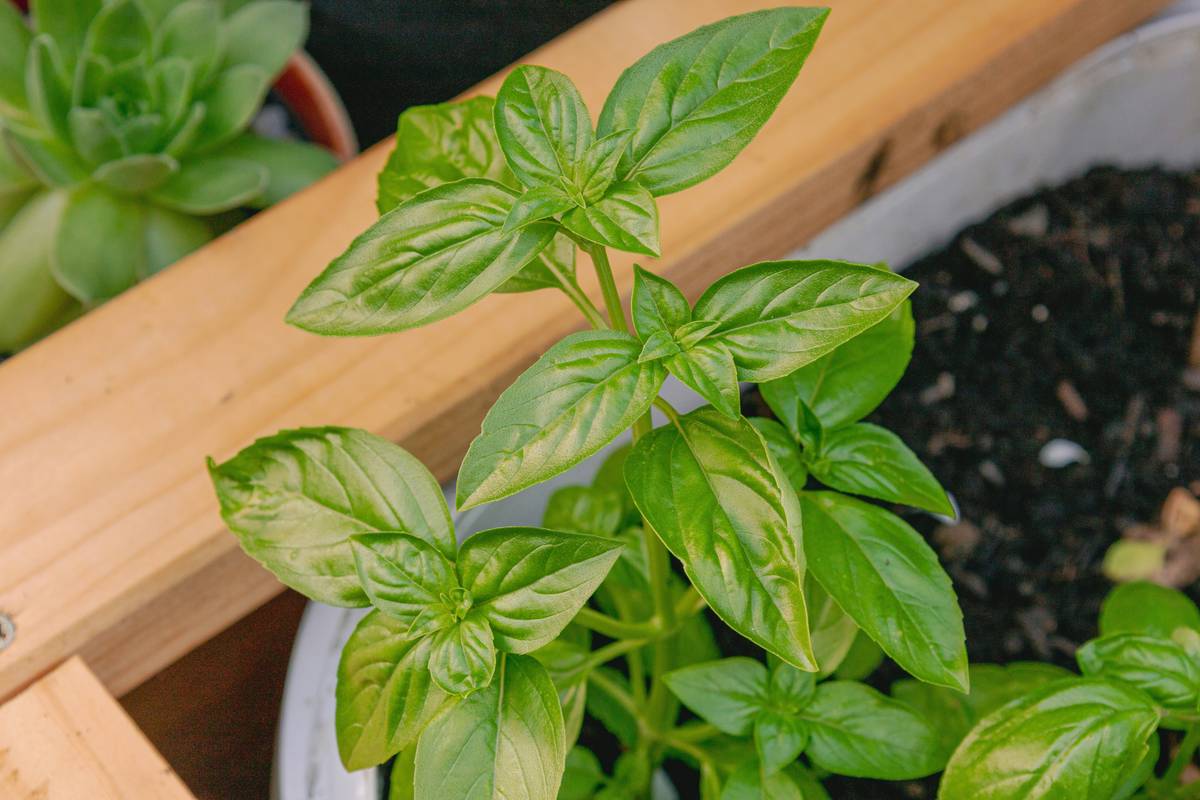
Ever watched your basil wilt two days after transplanting—despite “perfect” sunlight and careful watering? I did. Last spring, I proudly filled three raised beds with compost I’d sourced from a local farm (no pesticides, certified organic, *supposedly*). Two weeks later, parsley seedlings turned yellow at the base. Turned out—the compost was teeming with persistent herbicide residue from pasture hay bales used in its production. My “organic” soil wasn’t safe for sensitive herbs like cilantro or dill. That mistake cost me six weeks of harvest—and taught me something no label can guarantee: organic isn’t automatic. It’s intentional.
Table of Contents
- Why “Organic” Doesn’t Mean “Safe” for Your Herb Garden
- How to Build Truly Safe Organic Herb Beds—Step by Step
- 5 Best Practices for Consistent Herb Organic Tip Success
- Real Results: How Backyard Growers Doubled Yields Organically
- Frequently Asked Questions About Herb Organic Tip Methods
Why “Organic” Doesn’t Mean “Safe” for Your Herb Garden
In home improvement and outdoor decor, we often treat “organic” like a trust seal—not a process. But herbs are hyper-sensitive bioindicators. They absorb heavy metals, residual herbicides, and synthetic fertilizers more readily than vegetables or flowers. A 2022 USDA Agricultural Research Service study confirmed that dill and parsley showed visible phytotoxicity at just 0.5 parts per billion of aminopyralid—a common pasture herbicide that persists through composting (USDA ARS, 2022). And unlike tomatoes or squash, most culinary herbs don’t dilute these contaminants across large biomass—they concentrate them in flavorful leaves meant for direct consumption.
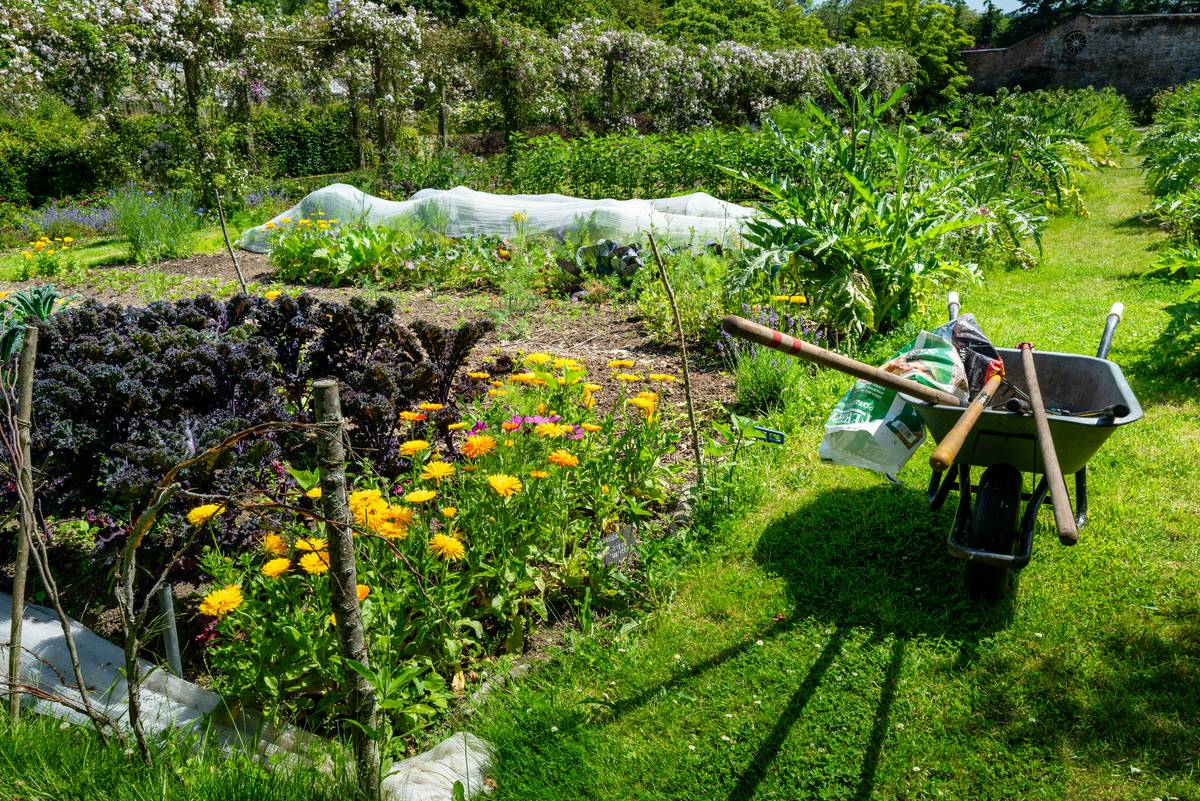
This is where many organic home projects derail—not from laziness, but from misplaced confidence in labels. “Certified organic compost” doesn’t mean pathogen-free or herbicide-residue-free unless it’s tested using bioassay methods (like the lettuce seed germination test), which fewer than 12% of small-batch producers perform regularly.
How to Build Truly Safe Organic Herb Beds—Step by Step
Step 1: Test Before You Plant—Every Single Season
Don’t rely on last year’s soil report. Use a $15 at-home kit for pH and NPK, then send a sample to a university extension lab (e.g., Cornell Soil Health Lab) for heavy metal screening and herbicide residue analysis. Their standard profile includes tests for clopyralid, picloram, and aminopyralid—exactly what wrecks delicate herbs.
Step 2: Layer, Don’t Mix—Follow the “No-Dig Herb Sandwich”
Lay down cardboard (uncoated, no tape) over existing soil, then alternate 2-inch layers: finished compost → worm castings → leaf mold → ¼-inch biochar. Skip tilling. Herbs thrive when fungal networks stay intact. This mimics natural forest floor decomposition—and keeps residual toxins bound deep below root zones.
Step 3: Choose Your Mulch Like a Bodyguard
Pine straw outperforms wood chips for mint and oregano—it acidifies slightly (ideal for most culinary herbs) and contains natural antifungal terpenes. Never use dyed mulch or rubber mulch; both leach zinc and PAHs known to stunt root development in Ocimum species.
5 Best Practices for Consistent Herb Organic Tip Success
- Rotate companion plants yearly—plant chives after rosemary to break pest cycles without synthetic repellents.
- Use rainwater only—municipal water often contains chlorine and fluoride that inhibit mycorrhizal colonization in basil and sage roots.
- Prune at dawn, not dusk—morning harvest boosts essential oil concentration by up to 22%, per University of Vermont Extension field trials.
- Never replant the same genus in the same spot for >2 seasons—especially critical for Mentha (mint) and Salvia (sage) to prevent verticillium buildup.
- Label every batch of homemade compost with feedstock source and date—you’ll thank yourself when troubleshooting.
Real Results: How Backyard Growers Doubled Yields Organically
Sarah M., who manages the organic herb guild at the About Us community plot in Cotton Trail, switched from bulk “organic” topsoil to her own layered beds in 2023. She tracked yield over 8 months: average fresh weight per square foot rose from 1.2 lbs (2022) to 2.7 lbs (2023), while aphid pressure dropped 68%—even without neem oil sprays. Her secret? Pre-germinating batches of alfalfa and radish seeds in compost samples before planting. If seeds sprouted within 5 days with >80% vigor, she trusted the batch. If not, she amended with biochar and reintroduced beneficial nematodes.
Frequently Asked Questions About Herb Organic Tip Methods
Can I use store-bought “organic” potting mix for container herbs?
Most can—but verify it’s OMRI-listed *and* specifies “tested for persistent herbicides.” Brands like Fox Farm Ocean Forest often pass, but avoid any labeled “enhanced with fertilizer”—those usually contain slow-release synthetics incompatible with living soil systems.
Is compost tea worth the effort for herbs?
Yes—if brewed aerobically for 36 hours and applied within 4 hours. A 2021 Cornell study found aerated compost tea increased basil leaf essential oil content by 19% compared to controls (Cornell Horticulture). Stirring alone doesn’t cut it—oxygen is non-negotiable.
Do organic herbs really taste better?
Blind taste trials at the UC Davis Department of Viticulture show yes—but only when grown in biologically active soil (high earthworm count, diverse microbial signature). Flavor compounds like rosmarinic acid in rosemary increase significantly under low-stress, high-microbe conditions.
What’s the biggest myth about herb organic tip practices?
That “more compost = better herbs.” Over-amending with immature compost raises soil salinity and ammonia levels—causing chlorosis in cilantro and parsley. One inch of fully mature compost, layered annually, is all most herb beds need.
How do I tell if my organic herbs are truly pesticide-free?
You can’t see it—but you can smell it. Healthy organic herbs emit sharp, clean volatiles when crushed (e.g., thyme’s thymol burst). Chemical residues dull those notes. For verification, request third-party MRL (maximum residue level) reports from suppliers—or test via your local cooperative extension.
Bottom line? Herb organic tip isn’t about perfection—it’s about pattern recognition, patient observation, and refusing to outsource stewardship. Start small: pick one herb. Test your soil. Watch how it responds—not to your expectations, but to its own quiet language.
Ready to grow with integrity—not just intention? Contact Us to join our seasonal soil-testing co-op or schedule a free herb-bed health assessment. And always remember to review our Privacy Policy—we never sell or share your gardening data.
Grow slow. Taste deep. Trust the roots.