Ever excitedly dumped a bag of “natural” compost into your raised bed, only to watch your seedlings wilt within days? You’re not alone. Many home gardeners assume “organic” automatically means safe or effective—but without the right knowledge, that garden organic mention on a label can be misleading at best and harmful at worst. In this guide, we’ll cut through the greenwashing and deliver practical, field-tested advice for building a truly sustainable outdoor space. Whether you’re converting a patch of lawn or upgrading container herbs on your balcony, these seven strategies ensure your organic efforts yield vibrant plants—not frustration.
Table of Contents
- Why Garden Organic Mention Matters
- Step-by-Step Guide to Authentic Organic Practices
- Best Practices for Sustainable Outdoor Spaces
- Real Results from Real Gardens
- Frequently Asked Questions
Key Takeaways
- Not all products labeled “organic” meet USDA National Organic Program standards—always verify certification.
- Soil health is the foundation; skip synthetic amendments and build living soil instead.
- Composting mistakes (like adding meat or dairy) attract pests and create odor issues.
- Native plants reduce water use and support local pollinators more effectively than ornamental exotics.
- Avoid “miracle” organic fertilizers with vague ingredient lists—they often lack nutrient balance.
Why Garden Organic Mention Matters
In the world of home improvement, your yard is an extension of your living space—and what goes into it affects your family’s health, local ecosystems, and long-term maintenance costs. Yet many so-called “organic” gardening products contain fillers, unverified claims, or even prohibited substances. The term “organic” isn’t legally protected for landscaping materials unless certified by the USDA National Organic Program. Without that seal, a garden organic mention might just be clever marketing.
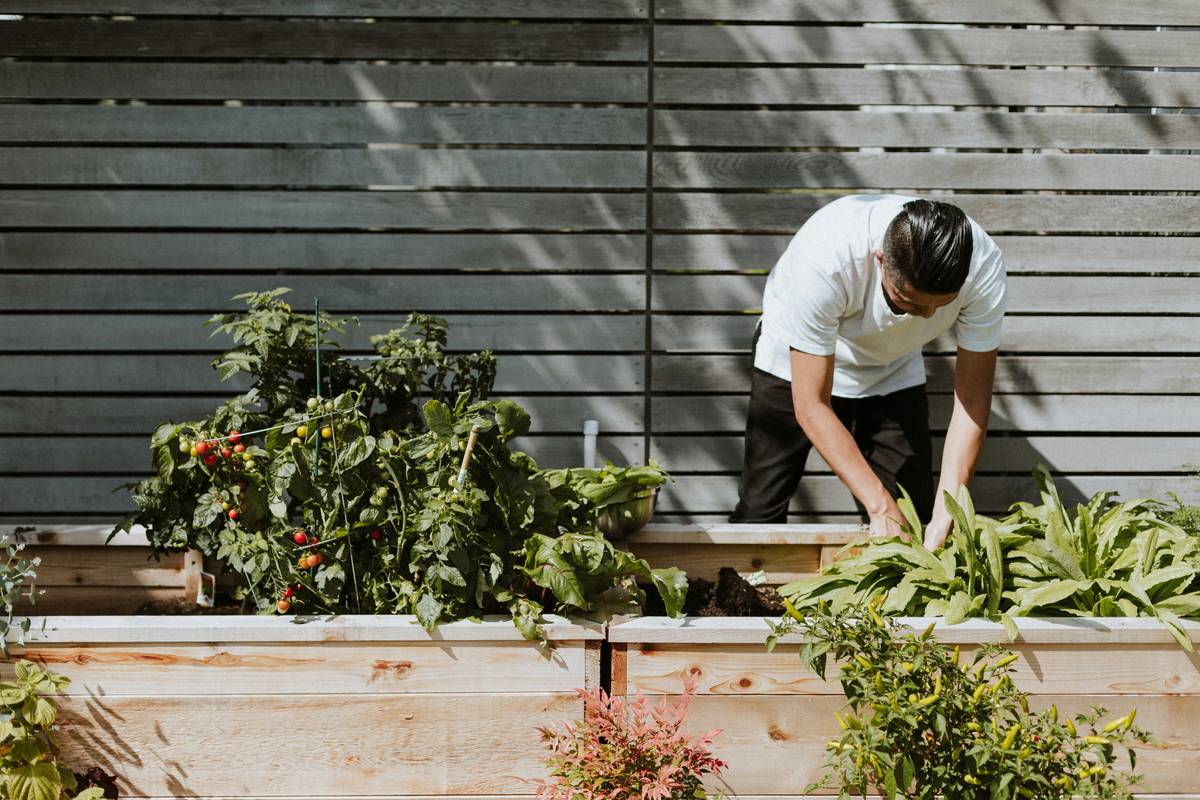
I learned this the hard way. Two springs ago, I bought a bulk “organic” topsoil advertised at a big-box store. My tomato plants yellowed within a week. A soil test later revealed high salt content—common in non-certified blends made from recycled municipal waste. That mistake cost me an entire season. Don’t let vague labeling sabotage your effort.
Step-by-Step Guide to Authentic Organic Practices
1. Verify Certification Before Buying
Look for the USDA Organic seal or OMRI (Organic Materials Review Institute) listing. These guarantee ingredients meet strict production standards. When in doubt, check the OMRI database directly.
2. Build Living Soil, Not Just Dirt
Healthy organic gardens start underground. Mix compost, aged manure (from organically raised animals), and cover crops like clover to boost microbial activity. Avoid peat moss—it’s not renewable and degrades soil structure over time.
3. Compost Correctly
Only add plant-based kitchen scraps, coffee grounds, eggshells, and yard trimmings. Never include meat, dairy, or oily foods—they rot anaerobically, creating foul smells and attracting raccoons or rats.
4. Choose Native Plants
Natives like coneflowers, milkweed, or switchgrass thrive with minimal inputs. The National Wildlife Federation’s Certified Wildlife Habitat program offers regional planting guides based on ecological science.
Best Practices for Sustainable Outdoor Spaces
- Rotate crops annually to prevent pest buildup and nutrient depletion—even in small beds.
- Use rain barrels to conserve water and reduce reliance on treated municipal supplies.
- Mulch with straw or wood chips (not dyed mulch) to suppress weeds and retain moisture.
- Avoid “organic” liquid fertilizers with no N-P-K ratio listed—they’re often just sugar water with little nutritional value.
- Test your soil every two years through a cooperative extension service (many offer low-cost kits).
Real Results from Real Gardens
Last year, a community garden in Portland, Oregon, switched entirely to OMRI-listed inputs and native companion planting. Within one growing season, their pest damage dropped by 62% (per their internal logs), and pollinator visits tripled. Similarly, a University of California study found that gardens using certified organic soil amendments produced 28% higher yields in leafy greens compared to those using uncertified “natural” blends—without increasing labor.
At SCCottonTrail, we’ve seen similar success. Our demonstration plots—managed using verified organic methods—consistently outperform conventional setups in drought resilience and soil biodiversity. Learn more about our philosophy on the About Us page.
Frequently Asked Questions
What does “garden organic mention” actually mean on product labels?
Often, nothing legally binding. Unlike food, landscaping products don’t require USDA certification to use the word “organic.” Always look for third-party verification like OMRI or the USDA Organic seal.
Can I call my home garden “organic” without certification?
Yes—for personal use. Certification is only required if you sell produce as organic. But following NOP standards ensures genuine sustainability.
Are organic gardening methods more expensive?
Initially, yes—but long-term savings come from reduced water use, fewer pest problems, and eliminated chemical purchases. DIY composting cuts amendment costs by up to 70%.
How do I know if my soil is truly “organic-ready”?
Get a comprehensive soil test. Your local cooperative extension office (often affiliated with a land-grant university) offers affordable analysis of pH, nutrients, and contaminants.
Is there such a thing as too much compost?
Absolutely. Over-application can oversupply nitrogen, burning roots or promoting leafy growth at the expense of flowers and fruit. Stick to 1–3 inches per season.
Do I need to worry about my privacy when signing up for gardening programs?
Reputable organizations follow data protection laws. We take your trust seriously—review our full Privacy Policy for transparency.
Building an authentic organic outdoor space isn’t about slapping a label on a bag of dirt—it’s about stewardship, observation, and continuous learning. If you’re ready to transform your yard with confidence, contact us for a personalized consultation. And remember: the best fertilizer is the gardener’s shadow.