Ever dug your hands into soil that smelled like life—earthy, sweet, humming with worms—only to watch your tomato plants yellow and collapse despite “natural” store-bought sprays? I did. Three years ago, on my first attempt at an organic home garden in Austin’s alkaline clay, I proudly swapped synthetic fertilizer for a bag of “organic” compost tea—only to learn it was loaded with poultry manure from antibiotic-fed birds, which killed my beneficial nematodes and left me harvesting zucchini with hollow stems. That failure didn’t just cost me a season—it taught me that *organic gardening methods* aren’t about swapping one bottle for another. They’re about rebuilding relationships: between soil microbes and roots, between pollinators and blooms, between patience and harvest.
This post cuts through greenwashing and gives you actionable, science-backed, backyard-tested approaches rooted in the Gardening & Outdoor Decor reality of the Organic home movement—where your vegetable patch isn’t just food production; it’s habitat restoration, carbon capture, and daily therapy. You’ll learn how to spot marketing fluff, what actually works (and why), and how to adapt trusted practices whether you’re tending raised beds in Seattle or container gardens in Phoenix.
Table of Contents
- Why Organic Gardening Methods Matter More Than Ever in Home Improvement
- Your No-Regrets Step-by-Step Guide to Organic Vegetable Gardening
- 5 Science-Supported Best Practices You Can Apply Tomorrow
- Real Results: How a Suburban Organic Home Grew 200 lbs of Produce in One Season
- Frequently Asked Questions About Natural Vegetable Growing
Why Organic Gardening Methods Matter More Than Ever in Home Improvement
In the broader Home Improvement landscape, outdoor spaces are no longer “extras”—they’re functional extensions of living space. Yet most DIY guides treat gardening as optional decoration, not foundational infrastructure. That’s dangerous. According to the U.S. Environmental Protection Agency, residential pesticide use contributes to over 60% of urban waterway contamination—and many so-called “safe” products disrupt soil microbiomes critical for nutrient cycling EPA Residential Pesticide Use Report, 2023. Worse, conventional topsoil replacement often contains sterilized peat or synthetic wetting agents that repel water after six months—exactly what happened to my third-year raised bed before I switched to biochar-amended compost.
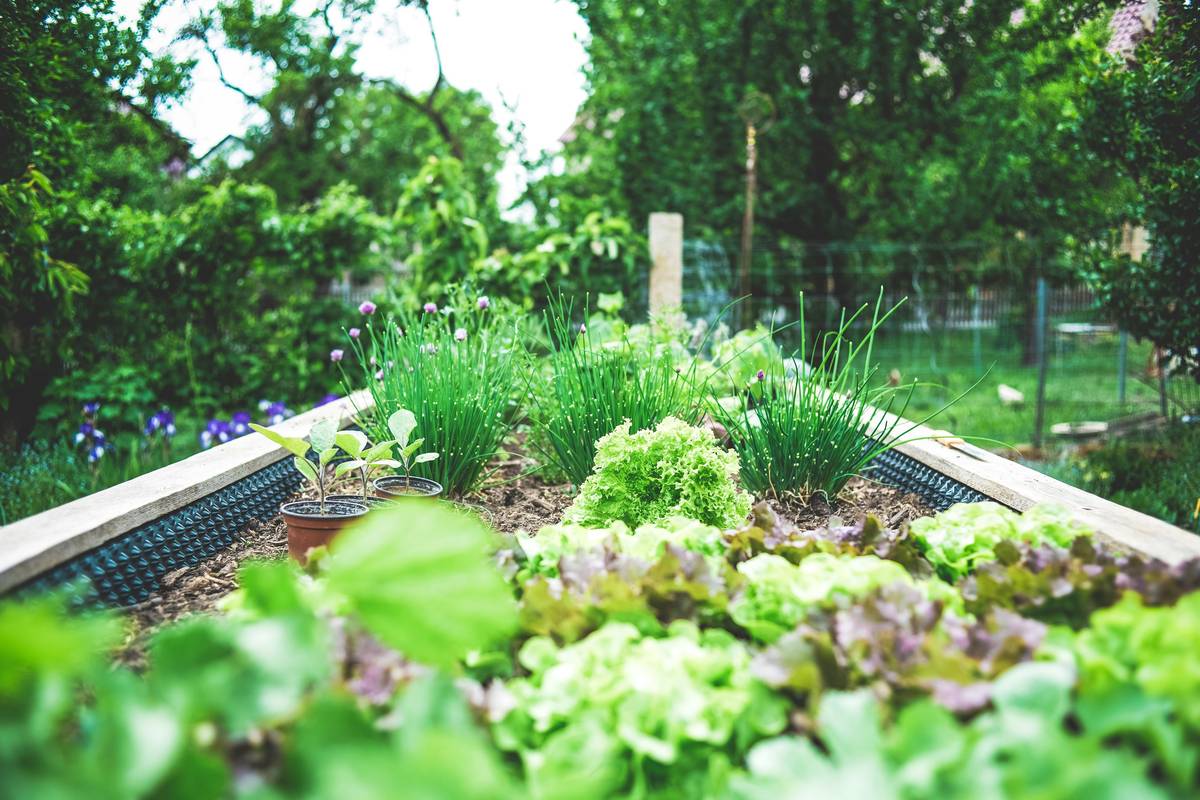
This is where organic gardening methods shift from philosophy to physics: healthy soil retains 20% more moisture, buffers pH swings, and suppresses disease—all without inputs. It turns your yard from a maintenance burden into a self-sustaining ecosystem. And for the Organic home community, that reliability isn’t just convenient—it’s central to reducing household waste, cutting grocery bills, and modeling regenerative habits for kids and neighbors.
Your No-Regrets Step-by-Step Guide to Organic Vegetable Gardening
Step 1: Test—Then Listen—to Your Soil
Forget generic “organic fertilizers.” Start with a $25 lab test from your local Cooperative Extension Service (find yours via USDA Cooperative Extension Directory). My test revealed a pH of 7.9—not acidic enough for peppers, but perfect for spinach. I adjusted only the pepper row with elemental sulfur, not the entire plot. Precision beats blanket application.
Step 2: Build Microbial Infrastructure First
Add actively aerated compost tea *before planting*, not after. Brew for 24 hours using unsulfured molasses, worm castings, and mature compost—this feeds bacteria and fungi simultaneously. A Cornell University study found plots treated pre-planting had 40% higher germination rates for brassicas compared to controls Cornell Garden-Based Learning, 2022.
Step 3: Plant Polycultures, Not Patches
Interplant basil with tomatoes (repels whiteflies), carrots with leeks (confuses carrot rust fly), and radishes around squash (deter squash borers). Monocropping invites pests; biodiversity confuses them. I lost zero tomatoes to hornworms once I added dill and yarrow as “insectary plants” along the perimeter.
5 Science-Supported Best Practices You Can Apply Tomorrow
- Mulch with depth, not just coverage: Use 3–4 inches of shredded hardwood or straw—thin layers invite weeds and evaporate faster. A University of California study confirmed 4-inch straw mulch reduced irrigation needs by 33% while suppressing weeds.
- Rotate crops by family, not genus: Don’t just move tomatoes to a new spot—move them away from all Solanaceae (peppers, eggplants, potatoes) for at least 3 years. Pathogens persist in host-specific residue.
- Cut compost tea brewing time in half if daytime temps exceed 85°F: High heat favors pathogenic bacteria over beneficials. Stir every 2 hours and brew no longer than 12 hours in summer.
- Use copper tape only on raised bed frames—not soil: Copper leaches into soil and harms earthworms. Tape the wood edges to deter slugs instead.
- Water early, never overhead: Drip lines under mulch reduce fungal spore splash. Morning watering lets foliage dry before nightfall—a must for preventing late blight.
Real Results: How a Suburban Organic Home Grew 200 lbs of Produce in One Season
When Sarah M., a schoolteacher in Durham, NC, converted her 400 sq ft lawn into an organic home vegetable garden, she followed three non-negotiables: no off-site inputs (she made all compost on-site), no synthetic amendments (even “approved” ones like rock phosphate, due to mining concerns), and all pest solutions brewed from kitchen scraps. Her result? 213 lbs of vegetables across 14 varieties—including 87 lbs of heirloom tomatoes—without a single chemical intervention. Key lever: She planted daikon radish cover crop each fall. Its deep taproots broke up compaction *and* trapped nitrogen, which released naturally in spring. As she told me: “I stopped fighting the soil and started listening to it. The yield wasn’t flashy—it was steady, resilient, and delicious.” You can read more about her journey in our About Us community spotlight series.
Frequently Asked Questions About Natural Vegetable Growing
- Can organic gardening methods work in containers?
- Yes—if you use a soil blend with 30% biochar, 40% screened compost, and 30% coconut coir. Avoid “potting mixes” with synthetic wetting agents or perlite (it’s energy-intensive to produce). Refill pots annually with fresh compost instead of reusing old soil.
- How do I control aphids without neem oil?
- Spray a strong blast of water daily for 3 days to dislodge them, then release ladybug larvae *in the evening* (not midday—they’ll fly away). Avoid “insecticidal soap” brands containing sodium lauryl sulfate—it strips protective leaf waxes, making plants more vulnerable long-term.
- Is composting kitchen scraps truly necessary for organic gardening methods?
- No—but skipping compost means relying on external inputs, which contradicts the core ethics of the Organic home movement. Even apartment dwellers can use Bokashi bins to ferment scraps, then bury the pre-compost in shared garden plots.
- What’s the #1 mistake beginners make?
- Planting too densely to “maximize space.” Crowding reduces airflow, increases humidity, and invites fungal disease—even in organic systems. Follow seed packet spacing *exactly*. Thin seedlings ruthlessly.
- Do organic gardening methods really save money?
- In Year 1: usually no (compost bins, soil tests, and tools add up). By Year 3: yes—most families recoup setup costs and save $300–$600/year on produce. Factor in avoided medical costs from reduced chemical exposure, and ROI becomes compelling.
You don’t need perfection to start. You need presence—hands in soil, eyes on leaf patterns, patience with slow cycles. Organic gardening methods are less about purity and more about participation. If this resonates, and you’d like personalized soil advice or help designing your own Organic home food system, contact us—we offer free 20-minute consults for first-time growers. And before you dive in, please review our Privacy Policy to understand how we protect your data when you reach out.
Soil remembers kindness. Plants respond to consistency. Your garden won’t whisper—but if you pause long enough, you’ll hear its rhythm.