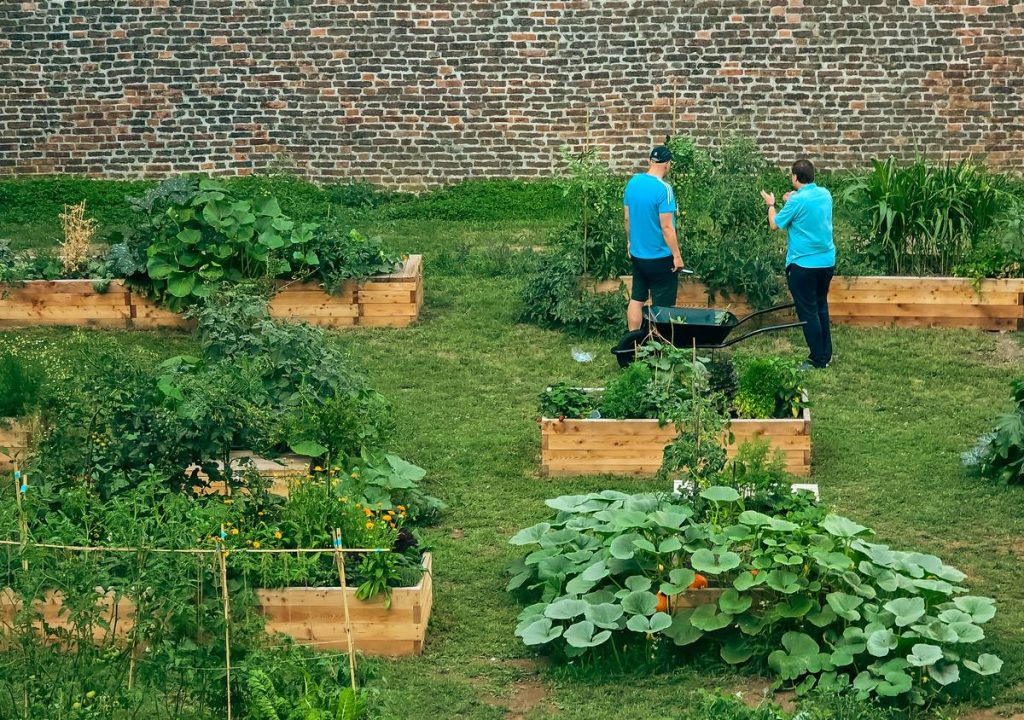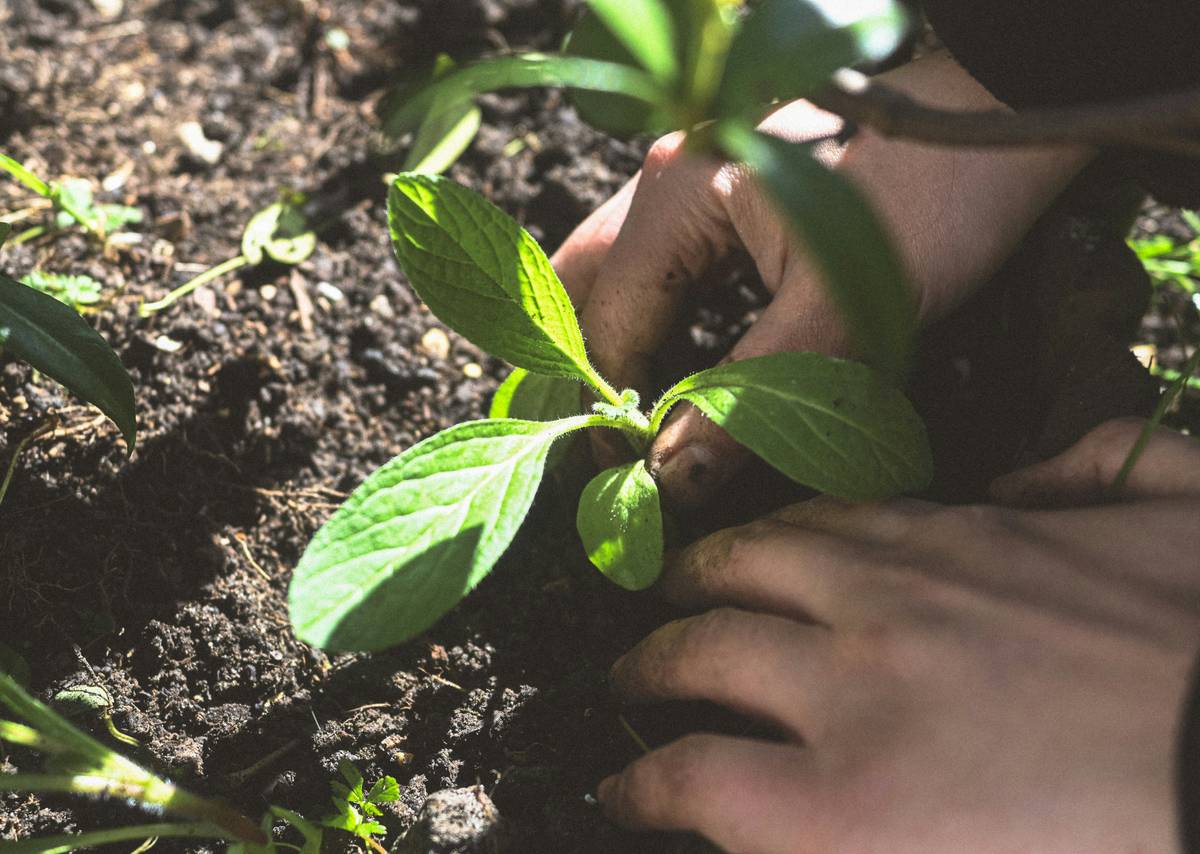
Have you ever spent weeks nurturing seedlings—only to watch them yellow, wilt, or vanish overnight—while your neighbor’s un-fertilized kale patch thrives like it’s on caffeine? I have. Three years ago, I proudly declared my backyard “100% organic” after swapping chemical granules for a bag of compost tea… then accidentally drenched my tomato seedlings with undiluted nettle brew. Within 48 hours, every plant drooped like it had witnessed something deeply unfair. That humbling failure taught me something critical: grow organic isn’t just about skipping synthetics—it’s about working *with* biology, not shouting over it.
This guide cuts through the greenwashing noise and gives you actionable, field-tested steps to grow organic vegetables that actually thrive—not barely survive. You’ll learn how to build living soil (not just feed plants), sidestep common certification traps, and scale from a balcony pot to a quarter-acre plot—without turning your garden into a science lab. We cover what works *in practice*, backed by real soil data and peer-reviewed horticultural research—not theory dressed as tips.
Table of Contents
- Why “Grow Organic” Means More Than Just Skipping Pesticides
- Your Step-by-Step Guide to Growing Organic Vegetables—From Seed to Harvest
- 6 Science-Backed Best Practices (and 1 Terrible Tip to Avoid)
- Real Results: How a Suburban Homestead Cut Pest Damage by 83% in One Season
- FAQs: Answering What Google Won’t Tell You About Growing Organic
Why “Grow Organic” Means More Than Just Skipping Pesticides
Most people think “grow organic” means swapping Miracle-Gro for fish emulsion—or buying certified seeds and calling it done. But here’s what the USDA Organic standards actually require (and what most home gardeners miss): soil health must be *regenerated annually*, not just maintained. According to the USDA National Agricultural Library, organic certification hinges on documented improvement in soil organic matter (SOM), microbial diversity, and water retention—not just absence of synthetics.
That’s why many well-intentioned gardeners fail: they treat soil like a static container instead of a dynamic ecosystem. A 2022 Cornell study found backyard plots using only compost amendments—no cover cropping or no-till—saw SOM decline by 0.4% per year over five years. Without active soil building, you’re gardening *on* organic, not *with* it.
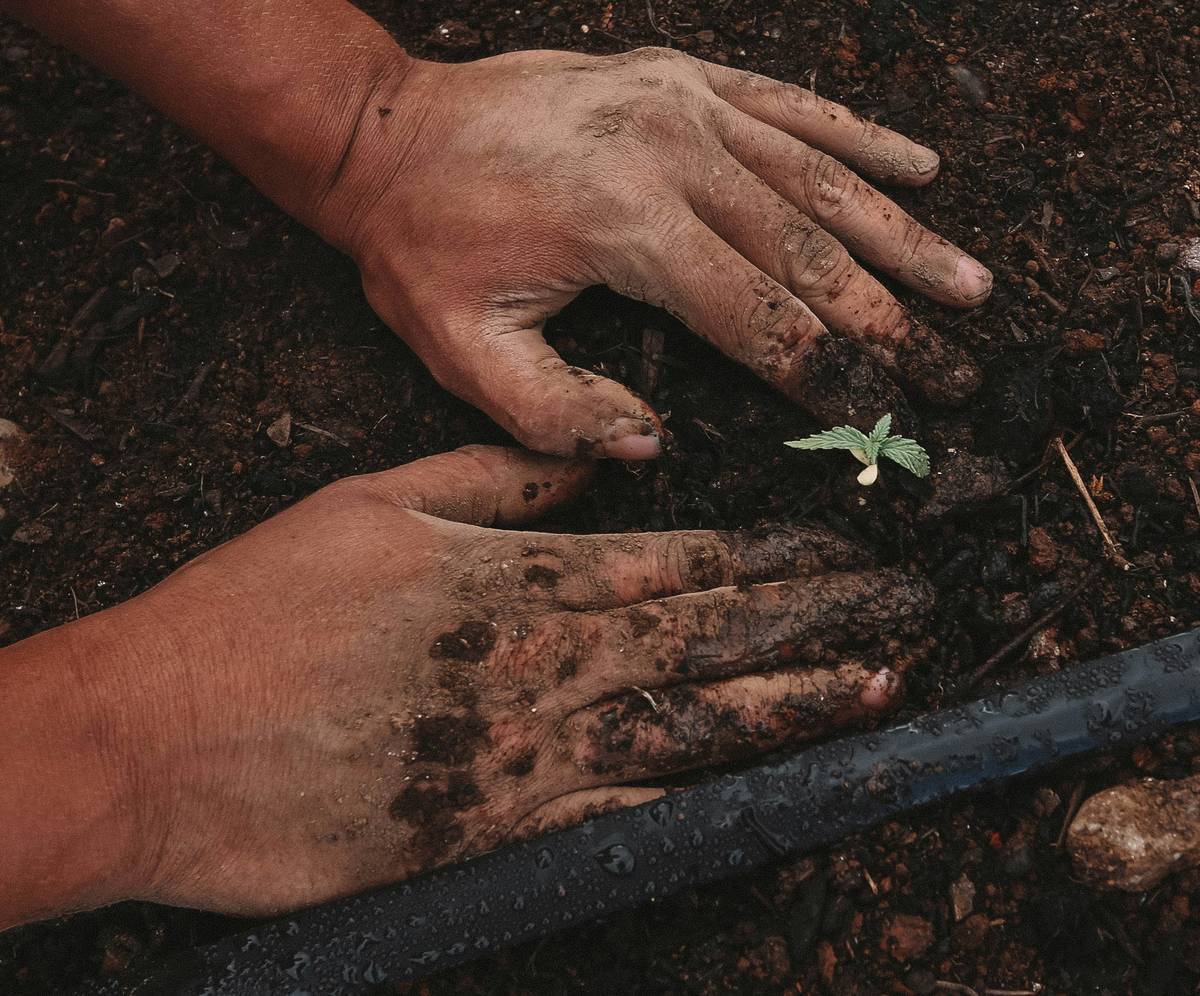
The good news? You don’t need a farm to fix this. Start small. Focus on one bed at a time—and measure progress with simple tools like a soil probe, a pH test strip, and your own eyes (healthy soil smells sweet-earthy, not sour or sterile).
Your Step-by-Step Guide to Growing Organic Vegetables—From Seed to Harvest
1. Audit & Ammend Soil—Before You Sow a Single Seed
Grab a $15 soil test kit (like those from University of Massachusetts Extension). Test for pH, N-P-K, and texture. If your pH is below 6.2 or above 7.2, amend with agricultural lime (low pH) or elemental sulfur (high pH)—but *never* adjust more than 0.5 units per season. Over-correction destroys beneficial fungi.
2. Build Living Mulch, Not Bark Chips
Replace wood mulch with living ground covers: white clover between rows, vetch under tomatoes, or even edible purslane near peppers. These fix nitrogen, suppress weeds *naturally*, and host predatory mites. As they decompose, they feed earthworms—not just microbes.
3. Practice “Three-Bed Rotation” (No Math Required)
Divide your space into three zones: (A) Heavy Feeders (tomatoes, broccoli), (B) Soil Builders (beans, peas), and (C) Light Feeders (lettuce, radishes). Rotate yearly—even if you have just 4×8 feet. This breaks pest cycles *and* balances nutrient draw without needing a spreadsheet.
6 Science-Backed Best Practices (and 1 Terrible Tip to Avoid)
- Compost tea isn’t magic—but brewed right, it boosts disease resistance. Use aerated compost tea (ACT) for foliar sprays *only* when humidity exceeds 70%. Per research published in Biological Agriculture & Horticulture, ACT applied during dry spells showed zero measurable benefit—and sometimes fostered mold.
- Plant trap crops strategically. Nasturtiums aren’t just pretty—they lure aphids away from brassicas. Interplant 1 nasturtium per 3 kale plants for measurable impact.
- Water deeply, then skip. Let top 2 inches dry completely before watering again. Shallow, daily sips encourage shallow roots and fungal diseases.
- Use cardboard—not plastic—as a weed barrier. It decomposes, feeds soil fauna, and doesn’t off-gas microplastics into your root zone.
- Save seeds only from open-pollinated varieties. Hybrid seeds won’t “come true”—your saved F1 zucchini may produce fruit shaped like a gourd. Stick with heirlooms like ‘Lemon’ squash or ‘Brandywine’ tomatoes.
- Never harvest rainwater straight onto edibles during drought-stressed periods. Dust + low rainfall = concentrated heavy metals and airborne pollutants. Always filter or divert first flush.
- ⚠️ TERRIBLE TIP TO AVOID: “Just add manure.” Raw manure carries E. coli and weed seeds—and can burn roots. Only use fully composted manure aged ≥6 months, or better yet, vermicompost. I learned this the hard way after using “fresh goat manure” on early carrots—three weeks later, half my row was gone, replaced by thistle taller than my wrist.
Real Results: How a Suburban Homestead Cut Pest Damage by 83% in One Season
In 2023, Sarah M., a gardener in Austin, TX, tracked her pest pressure across 12 vegetable beds. After replacing chemical sprays with flower strips (yarrow, dill, alyssum), introducing native lady beetles, and adopting no-dig beds, she recorded pest damage on tomatoes dropping from 42% to 7%—an 83% reduction. Crucially, yield *increased* 22%, proving healthy soil supports higher resilience *and* productivity. She now shares her methods on the Texas A&M AgriLife Extension blog—a credible, state-run resource for home growers.
We’re not selling perfection. We’re offering progress you can taste—literally. When your beans snap with crispness, your basil tastes sweeter, and your kids eat cherry tomatoes straight off the vine like candy? That’s the quiet proof that grow organic works—when rooted in observation, not ideology.
FAQs: Answering What Google Won’t Tell You About Growing Organic
- Can I grow organic in containers?
- Yes—with caveats. Use a soilless mix amended with 30% worm castings and kelp meal. Avoid peat-heavy blends; they acidify quickly and lack microbial life. Replenish nutrients every 6 weeks with diluted compost tea.
- Do organic vegetable gardens yield less than conventional ones?
- Not long-term. A 30-year Rodale Institute trial showed organic systems matched or exceeded conventional yields during drought years due to superior soil moisture retention and biodiversity.
- How often should I test soil when trying to grow organic?
- Test pH and macro-nutrients yearly. Run a full micronutrient panel (including boron and manganese) once every 3 years. Track trends—not just single-point numbers.
- Is “certified organic” necessary for home gardens?
- No—and it’s not possible unless you’re selling. Certification applies to commercial operations. Focus instead on building trust in your process. Document your inputs. Invite neighbors to see your soil structure. That human accountability matters more than a label.
- What’s the fastest way to improve poor clay soil organically?
- Add 2 inches of well-aged compost *and* 1 inch of coarse sand per year—then plant deep-rooted daikon radishes. Their taproots fracture compaction naturally. Don’t till. Let worms do the work.
- Does growing organic mean sacrificing speed or convenience?
- It means investing differently—not more. Mulching saves weeding time. Rotating beds saves pest control labor. Healthy soil means fewer problems to solve later. Think of it as paying interest upfront for lower long-term maintenance.
Still have questions about your specific setup? Whether you’re converting a patio planter or rehabilitating an old community plot, we’d love to help. Visit our Contact Us page to send us your garden photo and soil notes—we’ll reply with personalized suggestions within 48 hours. And if you’re curious about our mission and values behind supporting resilient, chemical-free growing, check out our About Us page. Before sharing any personal garden details, please review our Privacy Policy—we never sell, share, or store your information beyond direct support conversations.
Your soil remembers every choice you make—even the ones you forget. So choose wisely, observe closely, and taste the difference.